

I’ve been reading Wards of the State by Claudia Rowe — an investigative journalist who spent years examining the American foster care system — and a few passages stopped me in my tracks.
On the neuroscience of foster care: Researchers reviewed records from 6,000 former foster youth and found compelling evidence that elevated mental health symptoms were due, at least in part, to the trauma of being constantly uprooted and placed in strangers’ homes, where there was no pretense of lasting connection or deep attachment. For children who didn’t reunify with family, “The kids were just visitors. Everyone knew those not adopted would be moving on.”
And then this: “The link that united virtually all wards of the state was the feeling that they mattered to no one. No particular caseworker or foster parent or bureaucrat was to blame; the structure of the system instead guaranteed this experience.”
The structure guaranteed it. Not bad people. Not bad intentions. A system built around impermanence, where children move from placement to placement, and no single adult is positioned to truly know them, fight for them, or simply show up for them over time.
This is exactly why the steadiness and consistency of CASA volunteers are so important — and why the work is so much more than a title or a task list.
A Court Appointed Special Advocate (CASA) is a trained community volunteer assigned to a single child or sibling group in the foster care system. They learn all they can about the children — visiting them regularly, checking on them in school, talking to teachers, therapists, and caseworkers — becoming experts on these kids and their lives. They write court reports and attend court hearings and provide a full, objective picture of the children’s lives to the judges who make the ultimate decisions for their future.
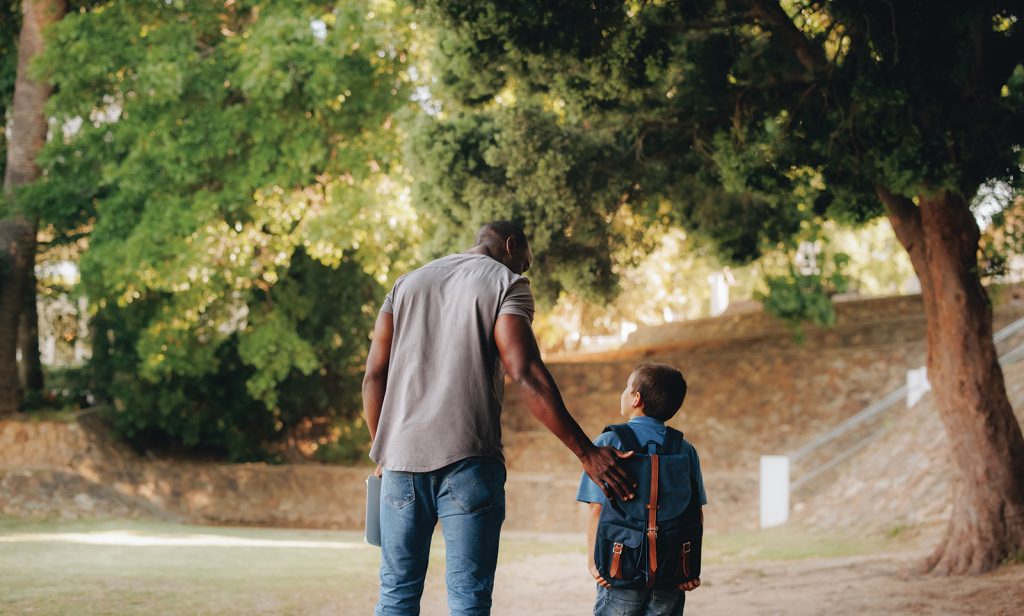
CASA volunteers show up consistently for children through all the changes swirling around them, over months and even years, often becoming the one constant adult in a child’s life throughout their time in foster care. In a system that too often leaves children feeling like they matter to no one, a CASA volunteer steps in and says: You matter to me. I’m not going anywhere. I’m here for you.
That’s not a small thing. For many kids, it’s everything.
Right now, Columbia-based nonprofit Heart of Missouri CASA serves nearly 400 of the 650 children in foster care each year in Boone and Callaway counties. The need is significant and steady. There are children in our community — right now — who are moving through the foster care system without a CASA volunteer in their corner.
If you’ve ever felt the pull to help a child in foster care but didn’t know where to start, this is where. One child or sibling group. One relationship. One volunteer who shows up and keeps showing up.
Can’t volunteer but want to help? Consistent, sustained giving is equally critical for this nonprofit. It fuels the mission: equipping volunteers, supporting the professional staff who guide them, and ensuring every child has someone showing up, speaking up, and staying with them.
If this stirred something in you — curiosity, recognition, the quiet sense that maybe you could be that person for a child — I’d love to talk. Visit homcasa.org or contact us at 573-442-4670. This mission advances only as individual, corporate, and foundation investments allow, and partners like you are essential for providing children with the trusted, consistent CASA volunteer they deserve.