

For those unfamiliar with the ins and outs of health insurance, enrolling in a new plan or deciding to stay with the same one can feel overwhelming. Policies and the health care landscape are constantly evolving, and amid the demands of daily life, it can be challenging to choose the best option and complete enrollment on time.
For nearly twenty-five years, the local nonprofit Missouri Connections for Health (MCH) has provided unbiased assistance to Missourians navigating their health care and health insurance needs. Its primary mission, as stated on GuideStar, a resource for data on nonprofits, is “to help individuals learn about, enroll in, and take advantage of health insurance programs for which they may be eligible.”
Executive Director Scott Miniea, who has been with the organization for eight years and brings more than thirty years of experience in the nonprofit sector, said he was once unfamiliar with the health care system himself until he needed to seek help for his own family.
“I discovered the organization as it was helping me,” Miniea says, adding that’s how many of his staff members first became involved.
Miniea started as a program manager back when the organization operated under Primaris Holdings. Now, as executive director, he oversees operations and ensures the success of its initiatives.
Programs That Empower Missourians
As part of its ongoing efforts to create an informed and empowered community, MCH offers three main programs: the Missouri State Health Insurance Assistance Program (Missouri SHIP), the Benefits Enrollment Center, and the Rural Unhoused Helpline.
The Missouri SHIP program primarily focuses on assisting and educating individuals who have become eligible for Medicare, including those who have turned 65 and people with disabilities. For those who may experience cognitive decline, chronic illness, or pain, understanding the many aspects of Medicare can be daunting. Missouri SHIP provides help with Medicare enrollment, resolving billing issues, and selecting prescription drug, Advantage, Medigap, and Supplemental plans.
“It’s our big kahuna of programs,” says Miniea. “It kind of drives everything else we do.”
The Benefits Enrollment Center operates within the SHIP program, but it has a more targeted focus: helping people on Medicare access additional programs that support independent living, such as the Supplemental Nutrition Assistance Program (SNAP) and the Low Income Home Energy Assistance Program (LIHEAP). Unfortunately, the Benefits Enrollment Center is currently on pause.
“Funding was caught up at the federal level,” Miniea explains. “But we’ll be applying to restart a new round of that grant in January.”
Lastly, the Rural Unhoused Helpline, though MCH’s smallest project, plays a significant role by providing the housing-related intake assessments required for someone experiencing homelessness to be recognized by the U.S. Department of Housing and Urban Development.
Launched in 2021 as a pilot project, the Helpline extends MCH’s reach beyond health care to address housing insecurity in rural areas. Working in partnership with local housing agencies, it connects clients to Coordinated Entry assessments and directs completed evaluations to regional organizations that can provide direct services.
Thanks to a Missouri Foundation for Health grant, the initiative builds on MCH’s existing call center infrastructure to address a critical gap in rural counties that lack the capacity to complete assessments independently.
Educating and Engaging the Public
In addition to its programs, MCH also participates in public outreach, collaborating with libraries and community groups to offer classes and webinars.
“[The classes] are upon request,” says Miniea. “We have some that are fairly typical — ones that we do over and over with the same kind of content, like a 101 on the parts of Medicare and how they fit together and what SHIP is. Then we have one about saving money on Medicare and how to stretch your Medicare dollar. We also have some that go over volunteer opportunities.”
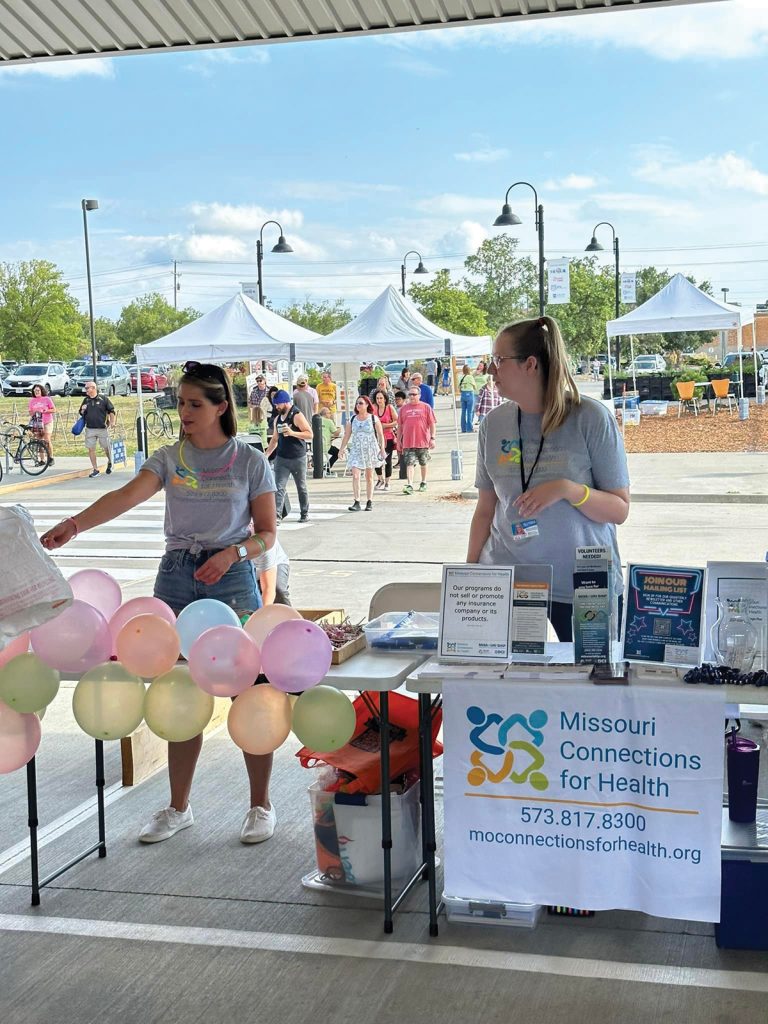
With MCH’s limited finances, outreach events also serve as a valuable way for the nonprofit to connect with those who may need its services or those looking for meaningful volunteer work.
Meeting Growing Demand
Currently, MCH is in its busiest season; Medicare’s open enrollment began in mid-October and will run through early December. It’s during this time that the need for guidance peaks, as more Missourians seek support navigating complex coverage options.
As for the SHIP program, Miniea says the demand continues to grow, pushing the organization’s limits. Missouri SHIP calculated that the program reaches approximately 40-50,000 Missourians with counseling annually. Demand is increasing as Baby Boomers age into Medicare.
Miniea expresses deep gratitude to the staff and volunteers, both of which undergo significant training to help counsel clients, making the nonprofit’s mission possible. MCH relies on trained volunteers to help meet community needs, but unlike many organizations, it seeks long-term volunteers because they receive the same rigorous training as staff, enabling them to stay informed about changing Medicare policies and provide better assistance to clients.
“We invest a lot of time into training,” he says. “All of our counselors go through rigorous training to be certified. We also have ongoing requirements, like twelve contact hours in update training. We do a webinar every month, and we have a newsletter where we share information with them.”
Those who are interested in MCH’s mission and willing to invest their time are encouraged to inquire about volunteering. MCH also accepts recurring and one-time donations. Among other things, these financial contributions enable MCH to:
- Conduct housing assessments for individuals or families experiencing a housing crisis
- Counsel clients on their insurance options and assist them in applying for benefits
- Hold outreach events targeted at hard-to-reach Missourians
Through its programs, outreach, and dedicated volunteers, Missouri Connections for Health continues to ensure Missourians aren’t left to navigate health care coverage and related challenges alone. To learn more about volunteering, donating, or educational opportunities, visit moconnectionsforhealth.org or follow Missouri Connections for Health on Facebook.
Missouri Connections for Health
Founded: 2001
Purpose: Educating and empowering individuals and communities to make informed decisions in a complex health care environment.
Board of Directors
- Julia Vargas, President/Chair
- Steve Calloway, Vice President
- Tami Benus, Secretary/Treasurer
- Carol Beahan, Director
- Randy Rodgers, Director
- Allison Schwent, Director
- Josh Oxenhandler, Director
- Jason Kane, Director
- Sunitha Bosecker, Director
Services
- Licensed Healthcare.gov Navigator assistance with:
- Healthcare.gov/Marketplace insurance
- Medicaid (MO HealthNet)
- Children’s Health Insurance Program (CHIP)
- Marketplace to Medicare transition
- Medicaid/MO HealthNet to Marketplace transition
- Understanding your options when you change jobs
- Understanding your options when you retire early
- Help understanding what your insurance policy covers
- Help understanding where to go to get healthcare covered by your insurance
- Insurance questions and appeals assistance
- Referrals to other organizations that can help
Missouri Connections for Health
601 W Nifong Blvd #3a
(573) 817-8300
moconnectionsforhealth.org