

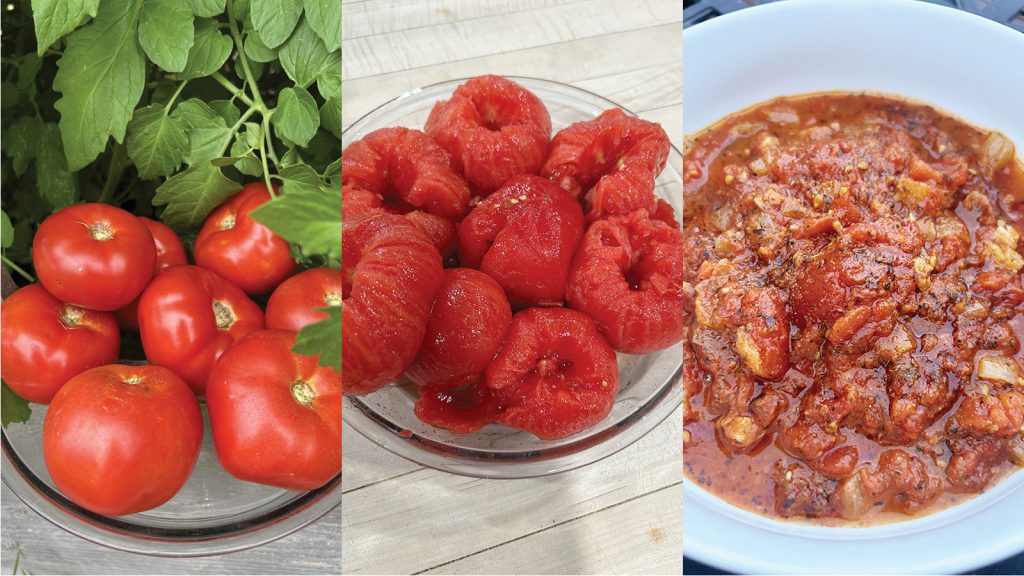
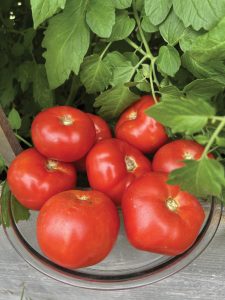
You say “tomato,” I say “tomahto,” but in reality, what difference does it make? It’s delicious either way. The important point is that those wonderful, locally grown red globes are in abundance at our local farmers markets.
Whom do we have to thank for this juicy fruit? (Yes, botanically it is a fruit, as are eggplants, squash, and several other species. “Vegetable” is merely a culinary term, so one would be correct to refer to a tomato as either.) Apparently, the natives of Central and South America were the first to cultivate the tomato, and it is indigenous to those areas, as is its cousin, the potato. One of the few positive results of the Spanish conquest of the New World was the exportation of these plants to Europe and the rest of the world. Initially viewed with skepticism, due to their membership in the nightshade family, they were eventually embraced worldwide and are now internationally popular.
In 2022, 186 million tons of tomatoes were produced worldwide, with China producing the most — three times the output of the second-place country, India. Turkey, the U.S., and Egypt rounded out the top five producers. But why do the locally grown tomatoes taste so much better than those “store bought”? First and foremost, they are picked when ripe; generally the same day as you buy them. Commercial tomatoes are often picked green, then ripened using natural ethylene gas to start the process. Of course, you could use them as a substitute for a baseball, if necessary.
The second reason locals are better is that the varieties grown are picked out more for taste than shipping ability, and the growers know that their reputation rides on the product. As in most other endeavors, the farmers take pride in what they offer and strive to offer maximum quality.
So, it’s at this time of year that I make an effort to use the fruits of the season as much as possible. I’ll make everything from fresh salsa cruda to marinara sauce and fresh tomato chili, which is well worth the effort. But there are only so many that can be consumed in the relatively short window of time that we have to enjoy the local crop.
There is, however, a way to maximize your enjoyment. Every time you want to make a batch of a recipe, make four times (or two times) as much, and freeze the extra in meal- sized containers. That way, you can enjoy the flavor of summer year ‘round. Or, make a large batch of stewed tomatoes, and freeze them by the quart, then retrieve what you need from the freezer through the winter.
Either way, your palate will thank you for the effort!
Stewed Tomatoes ingredients
- 2 lbs. fresh locally grown tomatoes
- 1 c. finely diced yellow onion
- 2 tbsp. minced fresh garlic
- Olive oil
Stewed Tomatoes directions
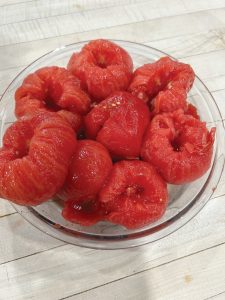
- Place tomatoes in boiling water for about a minute until the skin splits and can be easily removed.
- Remove the seeds. Chop the tomatoes or pulse them in a food processor.
- Sauté the onions until lightly caramelized, add the garlic and tomatoes, bring to a boil, reduce heat, and simmer for about 1-2 hours.
The stewed tomatoes can now be frozen, canned, or used in your sauce of preference.
Marinara Sauce ingredients
- 3 tbsp. Hoss’s Italian seasoning
- 1 tsp. red pepper flakes
- 1 tbsp. sugar
- Stewed tomatoes
Marinara Sauce directions
- To make marinara sauce, add the Italian seasoning, pepper flakes, and sugar to the stewed tomatoes.
- Simmer for another hour and serve.