Through gongs, singing bowls, and guided breathwork,
a local studio explores how vibration and intention can
help reset the nervous system.
In certain pockets of Columbia, you might hear it before you see anything — a low metallic hum, the resonance of a gong, and drumbeats that rise and fall like a steady breath. The sound might be mistaken for music drifting from a nearby venue or an avant-garde musician tucked just out of sight. More likely, though, it’s a sound bath in progress.
Finding Stillness Through Sound
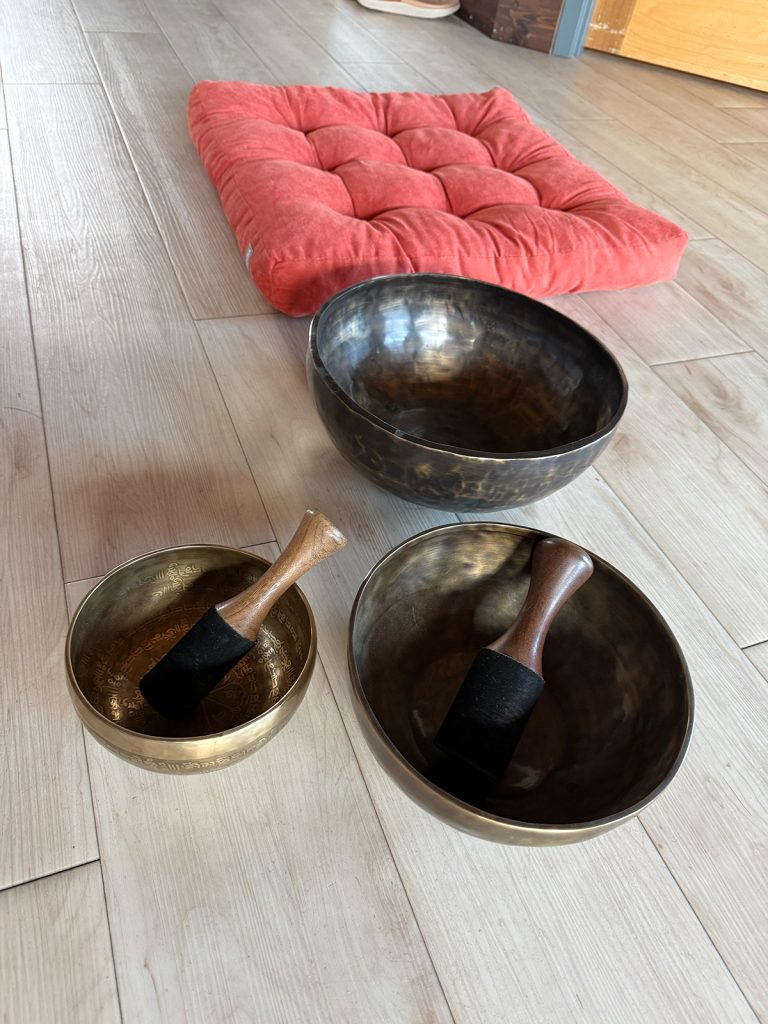
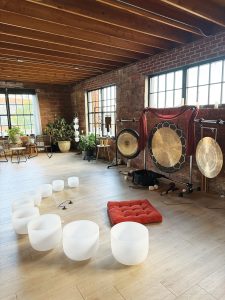
Part meditation, part immersive listening experience, sound baths immerse participants in layered vibrations from instruments like crystal singing bowls, chimes, gongs, and drums.
Though the modern wellness movement has embraced the practice in recent years, the relationship between sound and healing stretches back centuries across many cultures. Ancient Greek physicians believed music could help restore harmony within the body, while Tibetan and Himalayan traditions incorporated singing bowls, chants, and resonant percussion into spiritual and meditative practices. Indigenous cultures around the world have also long used rhythm and vibration — from drumming traditions in Native American communities to the didgeridoo in Aboriginal Australian practices — as part of ceremonial and healing traditions tied to sound.
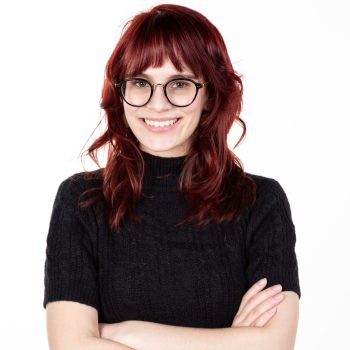
Today, sound baths have become a fixture in yoga studios, wellness centers, and meditation spaces across the country — including at Regulation, a local studio founded by Tahlia Heaton.
A Studio Built on Sound and Recovery
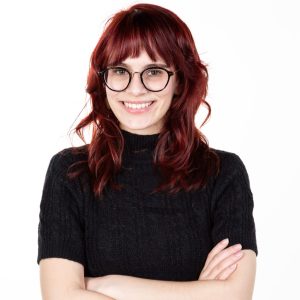
Regulation didn’t begin as a business model so much as a personal tipping point for Heaton.
“During the pandemic, I began studying the nervous system and polyvagal theory, which is the science of safety and how it relates to the nervous system — fight, flight, or freeze,” says Heaton. “Sometimes people can get stuck in their own trauma. I got stuck in freeze for years, and suddenly, through breathwork and sound baths, I got unstuck. I went through this period of rapid growth and self-discovery.”
As a proudly neurodivergent individual, Heaton found the practice helped regulate their nervous system and move through daily life with greater ease and intention. Their interest in sound healing also emerged during a difficult period of physical recovery. After a severe case of COVID left Heaton bedridden for more than a year, followed by a gallbladder removal surgery that nearly proved fatal, they began searching for ways to reconnect with their body and rebuild strength. Yoga came first, followed by breathwork and sound healing, which they say offered an even deeper sense of restoration.
“I decided to pursue certification as a breathwork facilitator pretty quickly, and about a year later, I trained in sound therapy and started practicing at home in our shed. It was another year before I felt confident enough to hold public sound sessions,” says Heaton. “I thought this information was so important that I really couldn’t keep it to myself.”
Inside a Sound Bath
Heaton’s sound baths begin with participants lying on yoga mats, often with blankets or pillows for comfort. Depending on the session, they may begin with breathwork or intention-setting. Heaton explains that breathing patterns can shape the experience itself — slower breathing may create a calming, therapeutic effect, while faster breathing can lead to a more intense, almost psychedelic feeling.
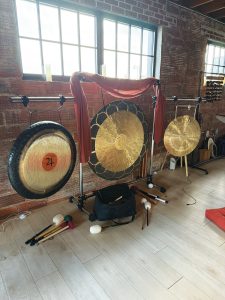
During sessions, Heaton often gravitates toward gongs and crystal singing bowls. The gong, they explain, “has a primal quality” that helps people sink deeper into meditation, while the bowls add a lighter sense of musicality, each carrying a different note. Drums and chimes are layered in throughout, often echoing natural sounds such as rain, wind, birds, and thunder.
Heaton says sound baths work on several levels at once. The sounds can guide participants into dreamlike, meditative states while also creating a physical sensation that moves throughout the body.
“The sound helps your brain relax into the states associated with meditation or hypnosis. It’s that twilight state where you’re neither here nor there,” explains Heaton. “Your critical mind starts to let go, and your subconscious mind becomes easier to access. And if you think about it, your body is about 60 percent water, so sound waves can really affect your body as they pass through you. They physically stir you.”
A Different Kind of Wellness Practice
Perhaps most importantly, Heaton wants participants to know there is no “correct” way to experience a sound bath. Some people simply rest. Others experience emotional release, creative clarity, or spiritual transcendence. The goal, Heaton says, is not perfection, but presence.
True to its name, the studio focuses on nervous system regulation, which can be achieved in a number of other ways, as well.
“I wanted to make self-care a thing people really look forward to,” says Heaton. “We’re ultimately doing a lot of ‘weird’ wellness classes. I trained in something called Drums Alive, which is like artistic cardio dance drumming. I’m also doing Punk Rope training, which is exactly what it sounds like: punk-rock jump-rope classes.”
In the fall, Regulation plans to offer bucket drumming classes for both kids and adults, along with access to flow toys and other movement-based activities designed to encourage play, curiosity, and creativity.
“If there’s a way to make something silly or fun, I’m pretty into it,” says Heaton. “I hope that’s enough to help people get over the barrier.”
More information about classes and upcoming offerings is available through Regulation’s website.