
“That / wasted breath of neon light a frail / tattoo or come-on in pools / of rain. That street, That rain / No. Our street. Our rain.”
— “After the Blue Note Closes” by Larry Levis
Puddles of rain sit stagnant and quiet outside a building at 912 Business Loop 70 East. That is, until an amp flips on and the stomp of a hundred eager feet charges toward the entrance. The year is 1980. There are no algorithms. No endless scroll of events or social media invites. Just word of mouth and the heartbeat of a growing Columbia — a city centered around music and, like the rest of the world, on the cusp of MTV’s cultural tidal wave.
Richard King and Phil Costello have just opened The Blue Note, a venue that will soon shape the sound of mid-Missouri. Music pulses through every corner of the community, from the stage to Streetside Records, where conversations begin with, “Have you heard this one yet?”
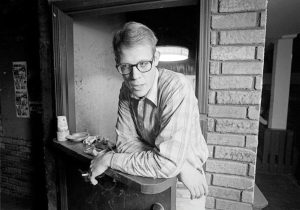
The story of this iconic venue starts just a few years prior. King and longtime friend Kevin Walsh (who would later become the first employee of The Blue Note) bonded over a mutual love of music — Springsteen among their favorites — and a shared habit of seeking out live shows.
“Kevin came here [Columbia] to go to graduate school, and I was on my way to California,” King said. “I was staying on the couch for a few weeks and decided to stick around for a while.”
That was October 1975. In the years that followed, King cycled through various jobs, including a brief stint managing The Heidelberg. Along the way, he met Costello and helped him land a bartending gig.
Like King and Walsh, Costello had an affinity for good music and attended shows with King at venues such as The Brief Encounter, where Costello would later work as a bartender, and Gladstone Manufacturing Company.
Eventually, Costello became roommates with King and Walsh, and the parties they hosted in their east campus house were not only legendary, but also served as a proving ground for what would become one of Columbia’s most beloved music venues.
“Music had always been a big part of the household,” said Walsh, “and the parties were ongoing, so it was just a matter of moving it and making it official.”
A Summer of Sound and Sweat
In 1980, Costello was privy to the news that Ron Roth, the owner of The Brief Encounter bar, and his mother, Gladys, wanted to sell the building, following Roth’s marital issues. With the owners wanting to sell quickly and at a low price, it felt like the kind of chance that doesn’t come around twice.
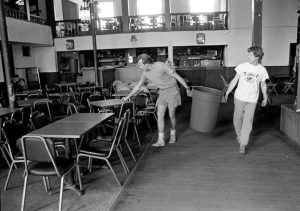
On August 1, under a blistering 108-degree sun, they hauled their gear into the building, which had no air conditioning and was, thereafter, affectionately nicknamed “The Dump.” But it had incredible acoustics.
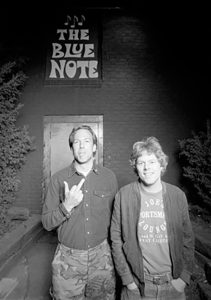
“We were very lucky,” says King, regarding the acquisition and its timing. MTV was founded exactly one year after The Blue Note’s purchase, and according to King, it was the year they “started to believe.”
Initially, though, it was more a labor of love than an informed business plan. King and Costello operated solely on passion and a sense of “cool,” rather than a long-term vision — and certainly not with the expectation that it would take off the way it did.
“We didn’t have any money,” said King. “In fact, Kevin and everybody who worked for us worked for tips. We borrowed money from our girlfriends and our families to get it up and going.”
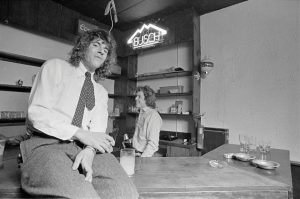
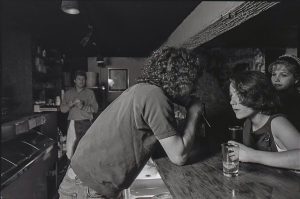
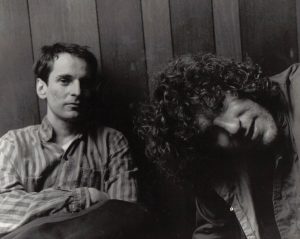
The crew, which consisted of the trio and volunteering friends, did everything, from bartending to curating lineups to cleaning and promoting. It took a few years for King and Costello to be able to begin writing checks to themselves.
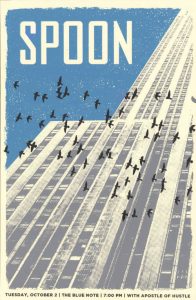
With limited funds for radio promotions, King and Costello would crisscross the city daily carrying knapsacks full of carefully crafted flyers to promote their upcoming shows, which featured emerging artists of the time, such as the Red Hot Chili Peppers.
“The only logical thing that we had was that we could print out posters for three cents a copy and smack them all around town and campus,” said King.
While this method got the word out, some people were less than thrilled that the posters consumed all the advertising real estate in town. King received numerous letters of complaint from the University of Missouri and local building managers about the proliferation of posters.
“One particular instance — I was in Booches with Phil, and a local attorney started giving him a hard time about us putting posters up on telephone poles, and on windows and doors,” said King. “No question, he was right, but the attorney was pretty rude to us. We were like, ‘Hey, this is all we really have, you know?’ Two days later, we see him again and he goes, ‘I’m going to the city council and asking them to put up kiosks downtown,’ and that made our lives a little easier having a spot to put our posters.”
Public radio stations KOPN and KCOU also played a role in the early success of The Blue Note, assisting with promotions during a time when only performers with guaranteed commercial appeal were receiving airtime. Additionally, the crossover with Streetside Records — where Walsh and other Blue Note employees also worked — helped amplify word of mouth and further rooted the venue in Columbia’s music culture.
Once MTV had taken off, underground bands began receiving more coverage, and thus, more people flocked to The Blue Note, eager to see fresh faces and sets.
Building Relationships Backstage
One of the key differentiating factors that The Blue Note presented — and what attracted tour managers — was its value for the bands that would perform.
“They [bands] would just come through town, and some of them were near destitute,” said Walsh. “I remember Phil had to buy R.E.M. a spare tire they couldn’t afford. And that kind of thing establishes long-term relationships with bands. They really remember shit like that.”
Additionally, according to Walsh, instead of offering a standard deli plate backstage, King would send bands to local spots, such as Glenn’s Cafe (owned by his friend Stephen Cupp), where they’d be well taken care of.
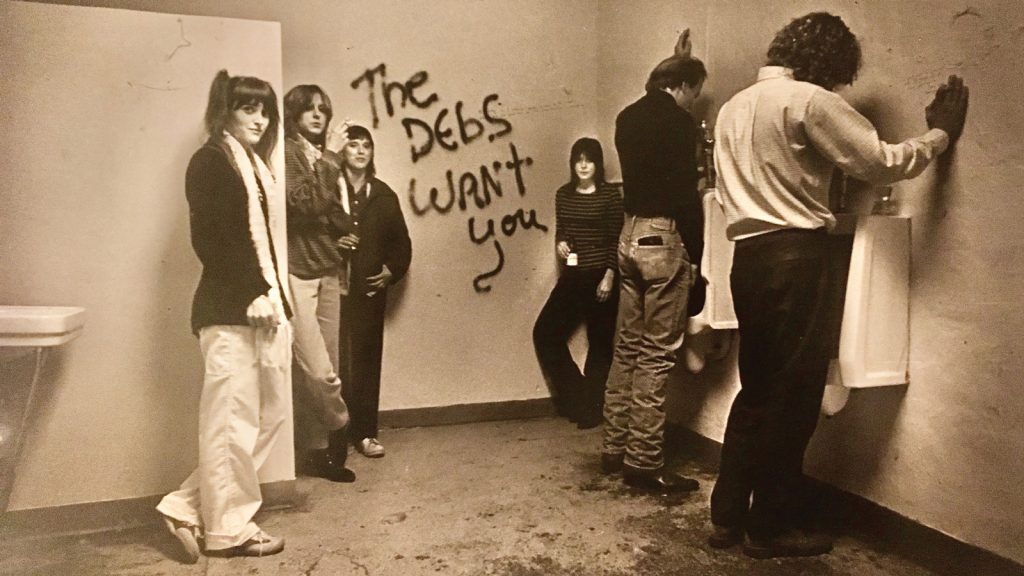
“It was very much a family affair,” said Walsh. “All bands — not the national acts, but any other bands — would play both nights on the weekends, usually. And a lot of the bands would stay at the house. You would wake up, and The Debs would be there with their sound guy, and the reggae guys would be cooking oxtail soup and doing their laundry.”
This established camaraderie and profound connections between the Blue Note crew and bands, while ensuring a future of big-time, compelling performers, even ones who had outgrown the venue, such as The Pixies.
King also cites a diversity of performers, from country and rock to reggae and hip-hop, as being one of the key selling points for the venue.
By 1990, Costello had been absent from The Blue Note for a few years, having left for a job with I.R.S. Records (and later moving to Capitol Records and Warner Brothers). King was ready to take The Blue Note to the next level. That year, he moved The Blue Note from Business Loop to its present-day location on 9th Street.
“Things were going really well,” said King. “That’s when I was offered the theatre downtown … The scariest thing I’ve ever done is move the club from the Business Loop to downtown. But it was also the best move I could make for myself and the club.”
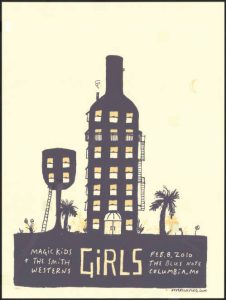
The move proved successful. Late-night shows carried on, with legendary acts like Johnny Cash, Cheap Trick, and Weezer gracing the stage. The new location also enabled the further integration of downtown culture and the safe accommodation of roughly 400 more attendees. In 1998, it became the first building and the first commercial structure to be named to the city’s list of Notable Properties.
Keeping the Music Going
The expansion didn’t stop there, though. In 1999, King bought Mojo’s, another venue in the downtown area, just one street over from the new Blue Note location.
Although King sold both The Blue Note and Mojo’s to Matt Gerding and Scott Leslie in 2014 after 34 years at the helm, the venues remain cornerstones of Columbia’s music legacy.
On January 1, 2015, Mojo’s was renamed Rose Music Hall in honor of the late Forrest Rose, a beloved bassist, local columnist, and friend to many in the scene, including King. The name honors not only Rose’s memory, but also the community spirit that shaped the venues from the beginning.
Upgrades followed, including the 2017 addition of Rose Park, an outdoor stage and gathering space that marked the venue’s next chapter and an investment in the future of Columbia’s music scene. “This stage is the culmination of the work of a lot of visionary people planning the next chapter of The Blue Note and Rose Music Hall,” said Tanner Lee of the Atlanta-based Tanner Lee Band in a Columbia Missourian article that year.
King, meanwhile, began his next chapter at Cooper’s Landing in 2019, channeling his passion for music into a new space by the Missouri River. These days, he focuses less on nationally touring acts and more on giving everyday musicians a stage, still believing in the magic that happens when you hand someone a mic and a crowd.
The venues may have changed addresses, hands, and names, but the mission remains the same: Give the music a place to live, and it will echo far beyond the walls. The stomp of feet toward the stage, the hum of a crowd, the first notes cutting through the stillness — they all carry the same charge they did back in 1980.