
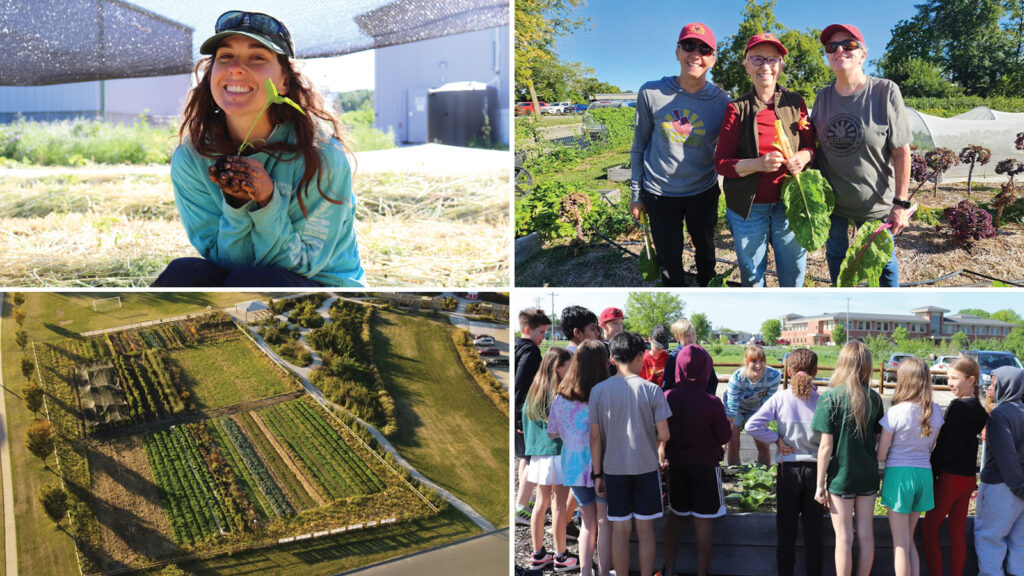
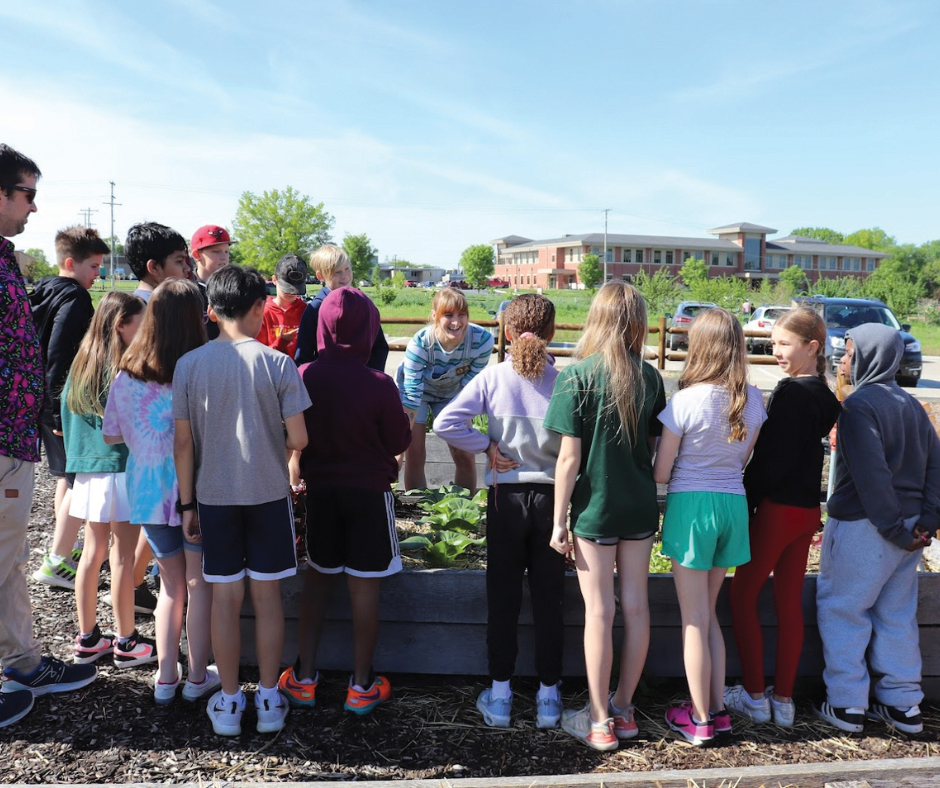
On a sunny morning at Columbia’s Agriculture Park, a group of third graders gathers around a raised garden bed, wide-eyed as they dig their hands into the soft soil. Later, they’ll make “veggie bowls” with the produce they’ve harvested and explore the different parts of a plant — leaves, roots, and stems.
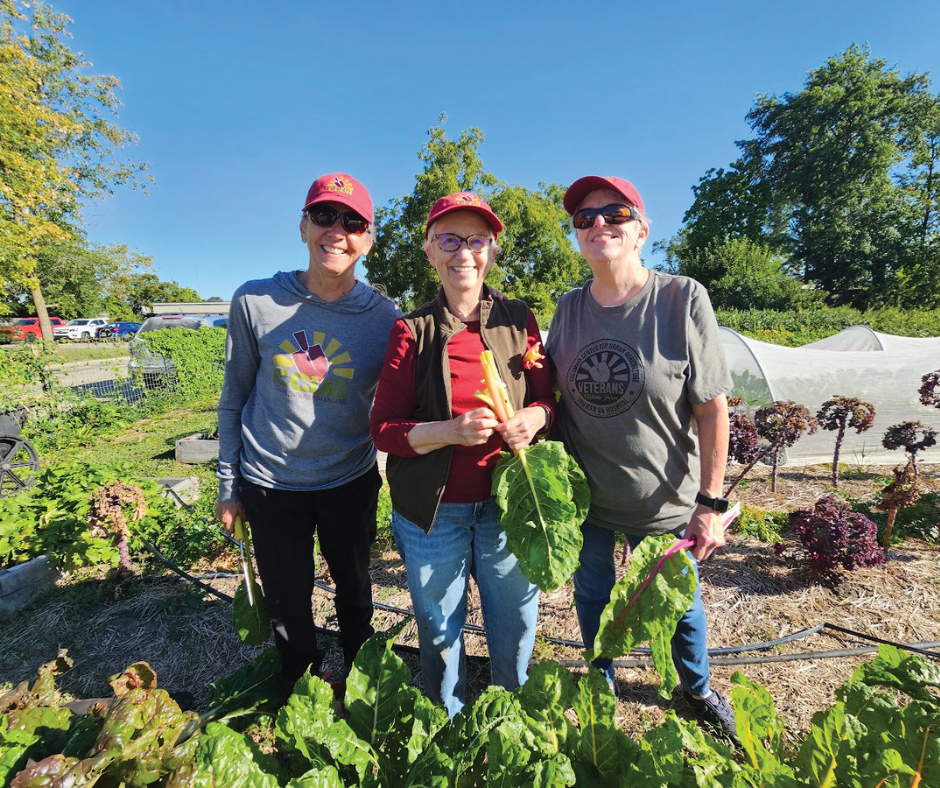
Nearby, volunteers from all walks of life harvest rainbow chard destined for the local food bank or the VA. Inside the schoolhouse, Columbia Center for Urban Agriculture (CCUA) team members huddle together, trading ideas for their soon-to-be-constructed welcome center — just one more way they’re growing connections from the ground up.
CCUA’s mission is straightforward: to enhance community health by connecting people to agriculture and the land through hands-on learning, from seed to plate. After all, everyone eats. Food is a universal connector — whether it’s sharing a meal, learning to grow tomatoes in your backyard, or harvesting produce for neighbors in need. Thanks to CCUA’s wide range of programs, those connections happen every day on the farm, in classrooms, and at home.
Cultivating the Next Generation
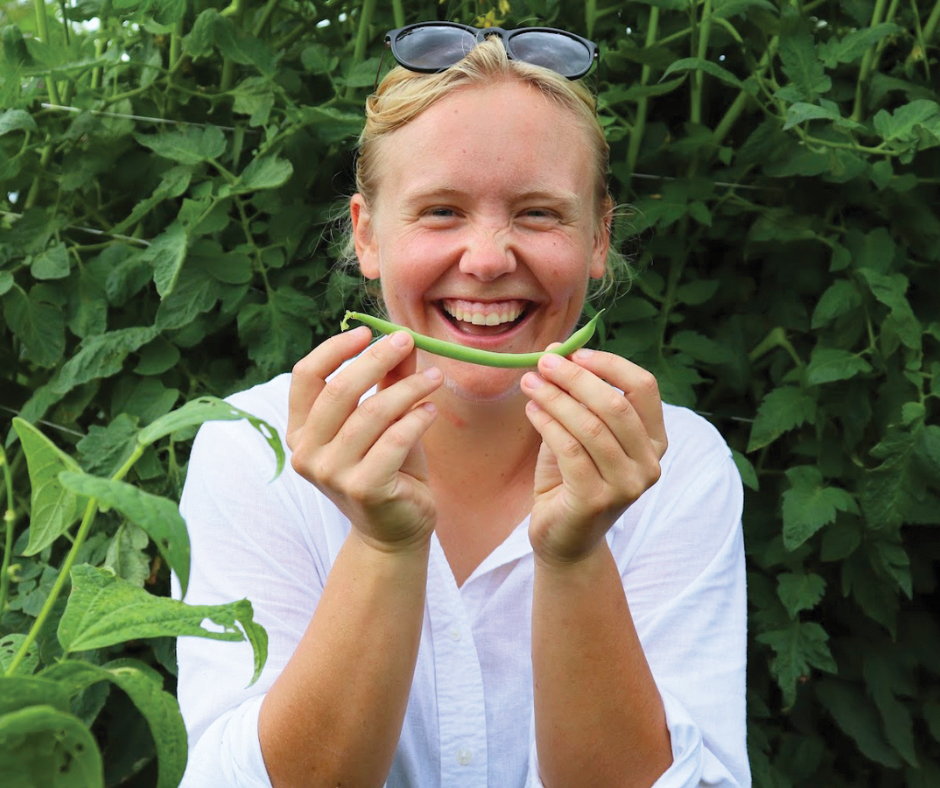
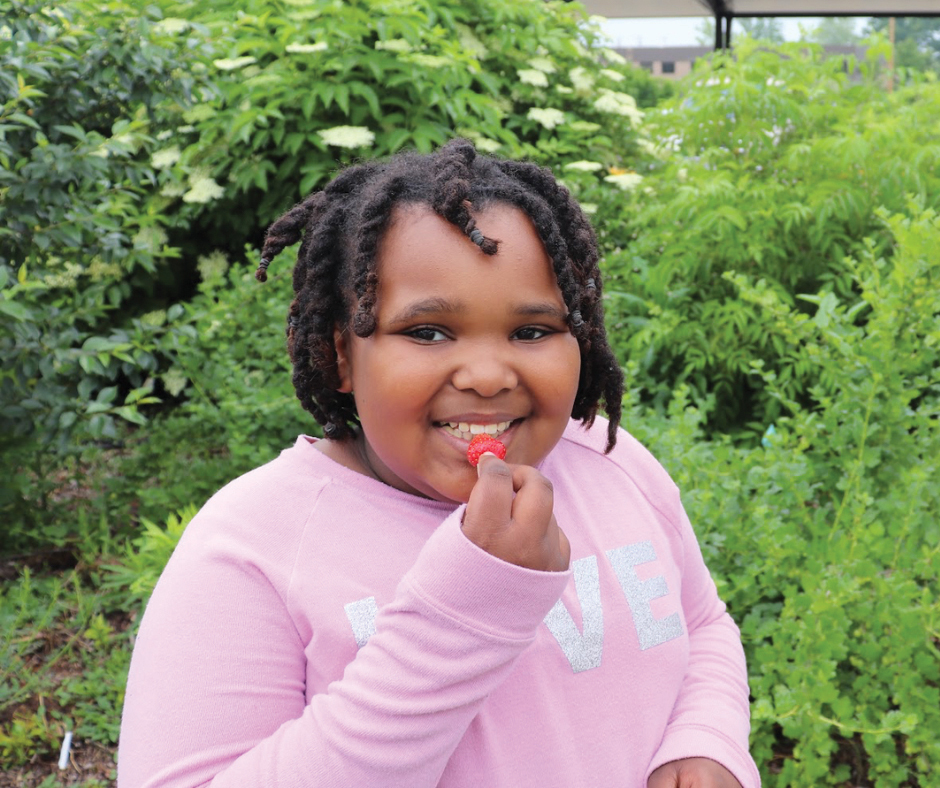
CCUA’s vision for the community includes outreach to younger individuals and educating them about food sustainability and gardening skills. To support this mission, CCUA offers a range of programs for families and students.
“Our most family-oriented program is called Opportunity Gardens,” says executive director Billy Polansky. “Families who have low income and would like to have their own garden can sign up for that program.”
The Opportunity Gardens program provides gardening materials and mentorship from CCUA staff over a three-year period. Because the gardening takes place at home, families can spend quality time together while learning a new skill.
“It’s a real mixed bag of folks who are in the program,” explains Polansky. “Some people have never gardened before and have no idea what they’re doing. Some folks are immigrants and were farming previously where they came from — so they have the skills and knowledge, but it’s a different climate than they’re used to.”
In 2024, 166 low-income families received support and mentorship through the Opportunity Gardens program, according to CCUA’s annual report. One gardener shared a snippet of their experience with the CCUA team:
“We spend so much less time on the TV and more time outside with each other. We plan what seeds we want to grow and learn together.”
“Family” doesn’t have to just apply to relatives, either. Volunteers from local businesses and organizations regularly lend a hand at CCUA, with past groups including Shelter Insurance, Missouri Employers Mutual (MEM), and local Scouts. Group workdays are typically offered on Friday afternoons and Saturday mornings to tackle weekly garden needs. More flexible shifts are available Tuesday through Saturday, allowing groups to schedule a time that works best for them.
CCUA has also partnered with Columbia Public Schools (CPS) to offer interactive field trips featuring a tour of the Agriculture Park, tasting opportunities, and a chance to discover local wildlife. A similar initiative, the Farm to School Partnership, works specifically with third graders in the district on a biweekly schedule; this hands-on program also teaches students how to plant and harvest produce, facilitating more than 15,000 student interactions each year.
“With young kids, there’s kind of a wonder that they get in a garden of the taste and smells and sights, whether it be the bugs or birds or plants,” says Adam Saunders, co-founder of CCUA. “There’s just so much to look at and understand. I think it really taps into the human nature … and that’s a curiosity that, when you start at a young age, it’s lifelong.”
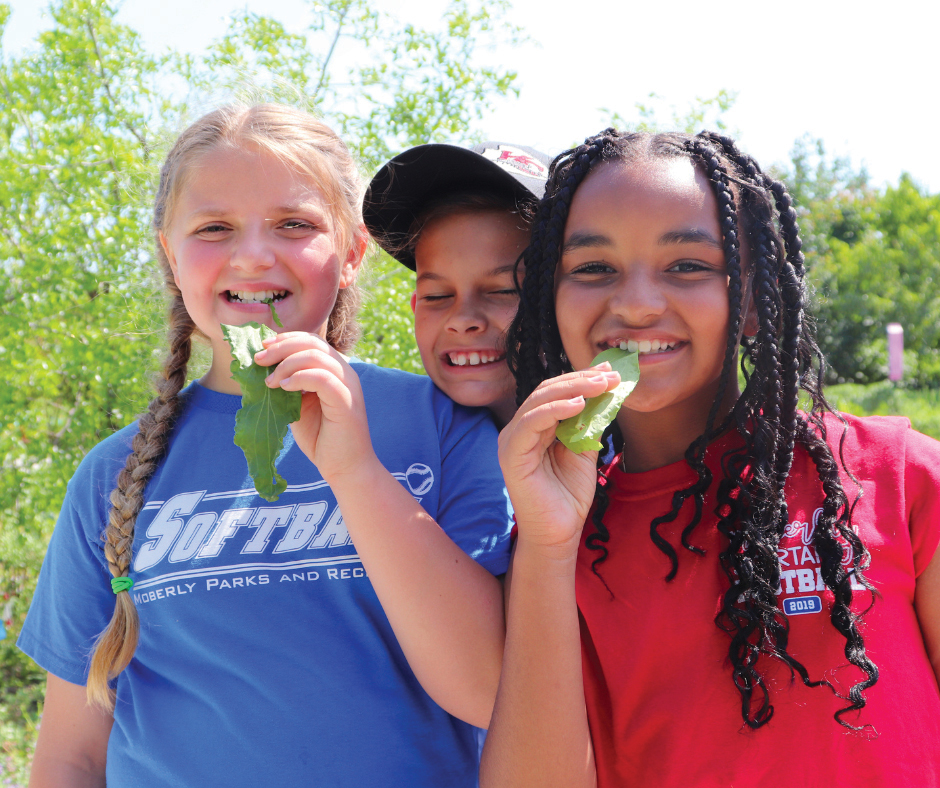
Both Saunders and Polansky emphasize the sense of contribution and agency children experience when they’re involved in the growing and harvesting process.
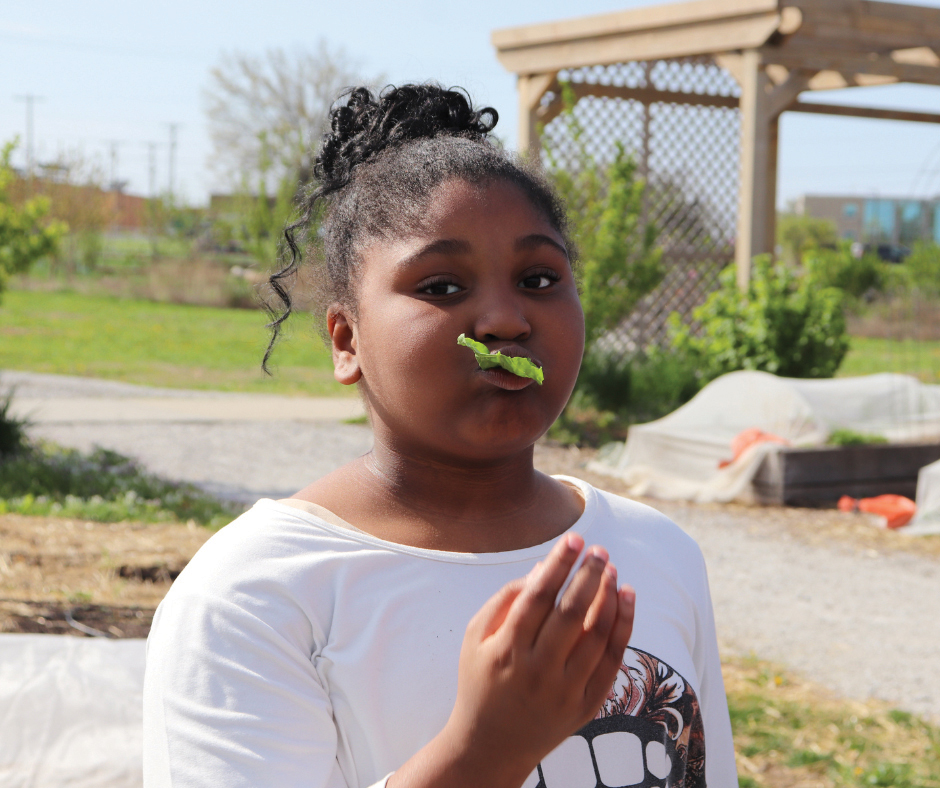
“Kids love to eat,” Saunders says. “If they go out and pick the peas and then chop them and put them in the dish, they’re going to eat it. They worked hard for that.”
“If a kid helps grow a cucumber versus if their mom puts a cucumber on their dinner plate, you know, they’re not bought into that — they’re being told to do something,” Polansky adds. “Involve kids in as much of the process as possible, even if it’s just shopping at the store. [Let them choose what they want] and then when it’s time to eat, say, ‘Hey, remember when you picked this out?’ It comes down to presenting it in a way that gives them a choice. And some marketing.”
Marketing is also the reason CCUA refers to its salad-making activity as “veggie bowls.” Though the kids usually catch on once the dressing appears, they’re already invested — and more likely to take a bite.
Growing with Partners
These programs are just a fraction of what CCUA offers, and each one is powered by strategic partnerships that help expand access and impact. That support comes not only from organizational collaborators, but also from generous donors, funders, and community members who believe in CCUA’s mission.
“We try to solve one of their [strategic partner’s] pain points,” says Saunders. “Sometimes it’s access to food, outdoor education, or confidence in home gardening. We’ve worked with groups from public housing, public schools, local businesses. … We have ongoing partnerships, and part of that is getting together and brainstorming what’s possible.”
If the timing, funding, and logistics align, CCUA starts small and grows from there — like its 2019 partnership with the Truman VA to launch the Mark and Carol Stevenson Veterans Urban Farm, highlighted on CCUA’s website as “a place for Veterans to benefit from the therapeutic, vocational, and recreational aspects of horticulture in a supportive, community-centered environment.” The food bank has also been a key partner, helping to distribute CCUA’s donated produce to the community.
A New Welcome
This spirit of collaboration, growth, and adaptability is what led to the vision for CCUA’s newest undertaking: a dedicated welcome center at the heart of Agriculture Park. Designed as both a literal and symbolic gateway, the building represents the next chapter in CCUA’s mission to make agriculture accessible and engaging for all. In September 2024, CCUA hosted a ceremonial groundbreaking to celebrate the future of the center.
“Oftentimes, when people get here, they don’t know where to go or how to find somebody they’re looking to meet,” Polansky says. “This new building will be the obvious place to come if you want a tour, to sign up for gardening classes, or to get involved with some of our programming.”
The welcome center will feature a staffed front desk to assist and direct guests, along with a resource library where community members can check out books, seeds, and gardening tools. The building will also include dedicated office and event spaces, as well as a commercial kitchen that will support cooking classes, nutrition education, farmers market vendors, and hunger relief programs.
“I think people are going to be really excited,” says Polansky. “Our [current] office doesn’t have any meeting space, and it’s not very accessible. So, it’ll be good for our staff and volunteers to be able to come inside and sit down, take a break, and ask questions.”
Saunders is particularly enthused about the addition of the kitchen, which will enable CCUA to fully realize its seed-to-table mission. For the past 15 years, the organization has focused on a seed-to-bushel approach where grown produce is used for donation and education. With the new kitchen, they’ll be able to transform their harvest into nourishing meals.
In many ways — including the ability to pilot community-driven ideas in a larger, more flexible space — Saunders believes the new public-facing resource center will help round out CCUA’s mission of a healthier Columbia. He’s also grateful to share the neighborhood with the Columbia Farmers Market and The ARC, both of which highlight the organization’s focus on wellness, access, and connection. With CCUA hosting kids’ activities every Saturday during the market and visitors often strolling through the Agriculture Park, the welcome center will serve as yet another point of collaboration, including plans to share office space with the farmers market team.
Although the ceremonial groundbreaking for the space was nearly ten months ago, official construction on the welcome center began just last month. The timeline for completion is fluid, but Polansky estimates the building will be finished within a year based on what contractors have shared with the team.
Where Growth Takes Root
As construction continues and CCUA’s vision grows, the organization stays true to its roots in cultivating a healthier, more connected Columbia. Every garden planted, every student interaction, and every shared meal brings people closer to the land and one another.
To learn more about CCUA’s programs volunteer opportunities, or to donate, visit ColumbiaUrbanAg.org.