

It is budget season for the city of Columbia, and a common question I hear around this time is, “Why does the city spend money the way it does?”
It’s a fair question. The city’s budget is one of the most important documents we produce. It reflects our community’s values, our priorities, and our vision for the future.
What many people don’t realize is that the budget isn’t written in a few weeks behind closed doors. It’s built over the better part of a year through analysis, public engagement, difficult choices, and countless conversations.
Long before the City Council votes on a budget in September, the work is already well underway.
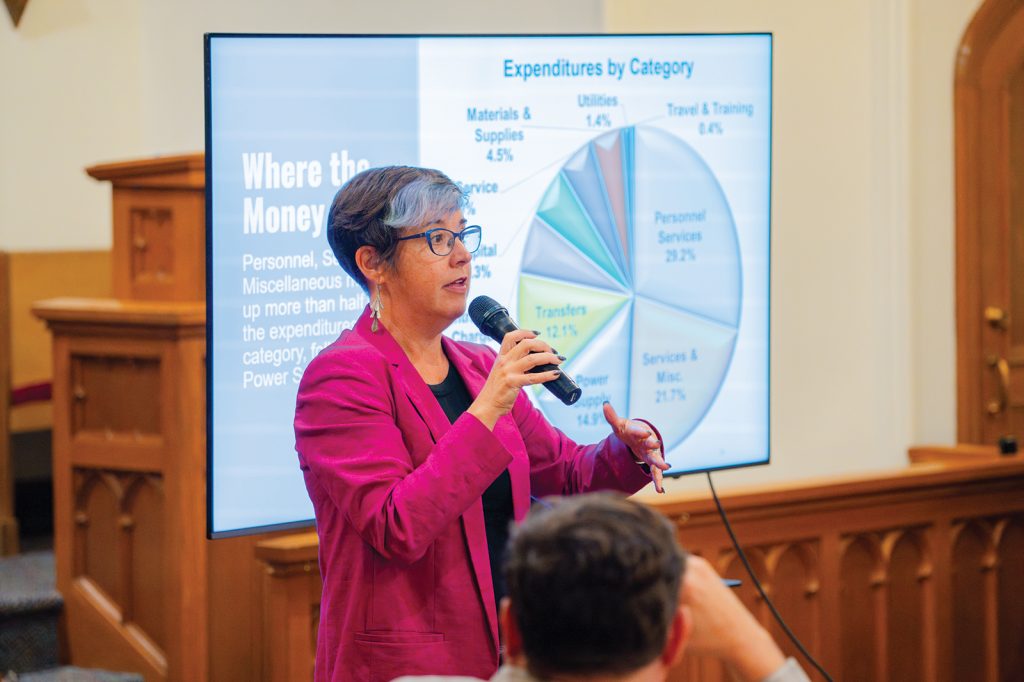
This year’s process began in January with public budget town halls where residents learned how city finances work and even participated in budget simulations. Throughout the spring, there were additional community conversations about capital improvement projects, municipal bonds, revenue forecasts, and long-term financial planning.
That engagement matters because local government budgeting isn’t as simple as balancing a household checkbook.
One of the biggest misconceptions I hear is that every dollar collected by the city can simply be moved wherever we want. In reality, much of our budget is legally or financially restricted.
Take our utility services, for example. The money you pay for water, sewer, electric, and solid waste doesn’t go into one large city account. Those are enterprise funds. By law and by accounting standards, the revenue generated by those services must be spent operating, maintaining, and improving those systems. It cannot simply be redirected to hire police officers, build parks, or expand other city services.
The general fund, where many of our day-to-day city services are supported, has a completely different set of revenues and responsibilities. Police, fire, public health, municipal court, planning, engineering, administration, and many other essential services all rely on those dollars. Even within the general fund, some revenues are dedicated to specific purposes while others remain flexible.
That’s why budgeting involves much more than deciding what we’d like to fund. It requires understanding where each dollar comes from, what legal restrictions apply, what infrastructure needs are coming years from now, and how today’s decisions affect future generations.
Transparency is equally important.
Every proposed budget, every work session presentation, every capital improvement plan, and every annual financial report is publicly available. Residents can watch council discussions, review the same documents elected officials receive, and see how recommendations evolve throughout the process. Our goal isn’t simply to adopt a balanced budget. It’s to make sure the public can understand how we got there.
As mayor, I’ve learned that good budgeting isn’t about finding easy answers. It’s about making thoughtful decisions when every choice has tradeoffs.
Do we repair aging infrastructure now or defer it and pay more later? How do we retain the employees who provide the services our community depends on? How do we continue investing in parks, housing, transportation, public health, and public safety while living within our means?
These aren’t one-day decisions. They’re conversations that continue year after year as Columbia grows and changes.
The budget is ultimately a reflection of who we are as a community. It shows what we value, what we’re willing to invest in, and how we prepare for the future.
So if you’ve never attended a budget town hall, watched a work session, or explored the city’s financial reports online, I encourage you to do so. Local government works best when residents don’t just see the final vote — they help shape the conversation that leads to it.
The city’s budget isn’t simply about numbers. It’s about people, priorities, and the community we’re building together.