It’s hardly a secret that spending habits and social outings have shifted dramatically in recent years, especially following the COVID pandemic in 2020. Quarantines, supply shortages, inflation, and changing work routines have reshaped the economy and the way people interact with one another. Activities that once felt casual and accessible, like grabbing coffee with a friend, seeing a movie, going out for dinner, or spending an afternoon at a local shop now often come with noticeably higher price tags.
In mid-2026, many Americans are once again feeling the pressure of rising costs as fuel prices surge amid conflict in the Middle East. Increased transportation expenses ripple outward, affecting nearly every aspect of daily life, from grocery prices and restaurant supply costs to retail shopping and entertainment spending.
As prices continue to climb, many people — especially younger generations, already balancing student debt, rising rent, and stagnant wages — are finding themselves socializing less often. That shift raises an important question: Where can people still gather, build relationships, and participate in community life without feeling pressured to spend beyond their means?
Sociologists refer to these gathering spots as “third places” — spaces outside of home (“first place”) and work (“second place”) where people can connect, unwind, and participate in public life. Third places can include libraries, parks, museums, cafés, bookstores, community centers, farmers markets, and other accessible public venues that encourage interaction without requiring significant spending. Unlike highly commercialized spaces built around transactions, third places offer the opportunity to simply exist alongside others.
Historically, third places have played a vital role in shaping strong communities. They’re where friendships begin, ideas are exchanged, local culture develops, and people feel a sense of belonging. These spaces foster forms of connection that are difficult to replicate online. Yet despite their importance, third places are becoming increasingly difficult to sustain. Rising rent, labor costs, and operational expenses often force businesses and community spaces to increase prices or reduce services to stay open. In many communities, the very places designed to foster accessibility and connection are slowly becoming less accessible.
Locally, one organization is working to counter that trend.
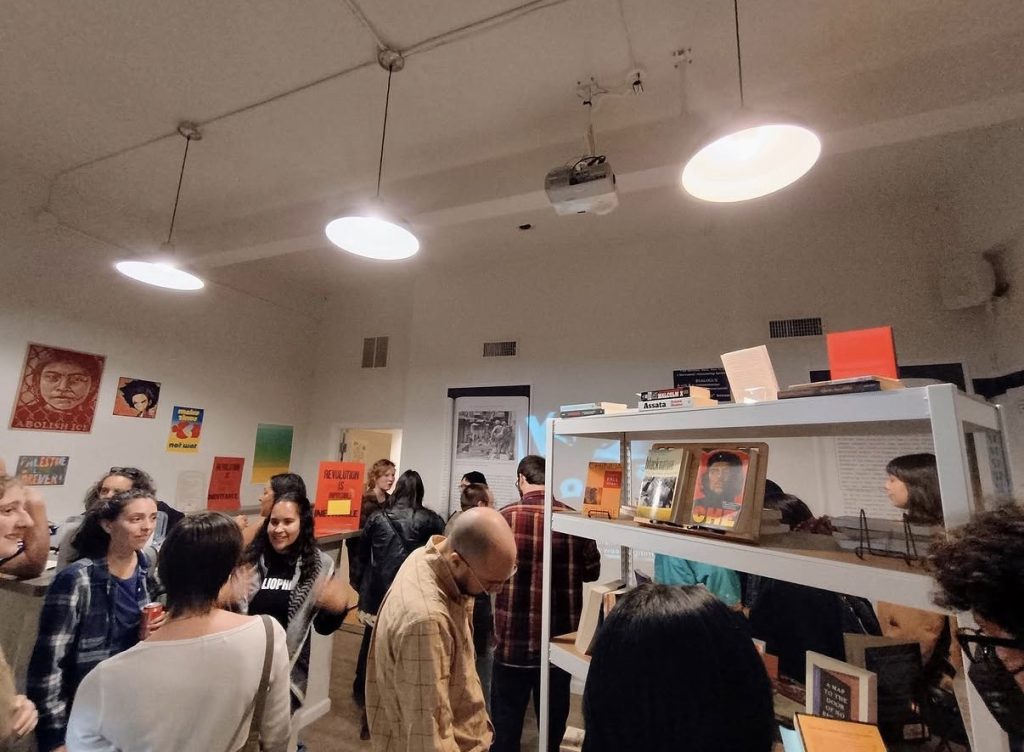
Nightjar Arts Collective opened its doors in October 2025 in response to the closure of stop-gap projects, an artist-run gallery known for its exhibitions, workshops, and readings. Co-founders Ruth Joffre and Cass Donish felt there was a noticeable lack of a local writing community and brainstormed ways to meet that need while honoring its predecessor. Third co-founder Cristina Mislán, who has a background in media studies, focuses much of her work on social justice, activism, and the ways both are represented through media. Together, those ideas evolved into the concept of Nightjar, a space anchored in creativity, accessibility, and community engagement.
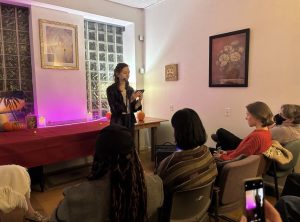 “We started to really connect over this idea of having a space that could be for the community that could do art, as stop-gap did, but also do writing because Cass and I are both writers, and then bring our own thoughts about politics and activism and how that’s connected to art,” Joffre said.
The collective, which is in the same downtown location previously occupied by stop-gap projects, has hosted a number of events since October, including art exhibits, bi-monthly readings, and creative writing classes.
“There’s been a lot of excitement, a lot of people interested in the space and how to get involved,” said Joffre. “It’s been really exciting to talk to so many different members of the community about how we could use this space to supplement things that are already happening in the community and to give artists a space to connect with other folks in different mediums.”
To remain within the spirit of third-place affordability, Nightjar is focused on keeping costs as low as possible. For example, the creative writing course taught by instructors Joffre and Donish — who hold an MFA and a PhD, respectively — typically charges a standard fee, but they also offer a sliding-scale option to make the class accessible to a broader range of participants. Joffre confirmed that attendees have already taken advantage of the feature.
In March, Nightjar adopted a membership model for community members who are financially able to contribute additional support. Memberships range from $100 on the higher end to custom amounts, helping offset operational costs while keeping the space accessible to others. Members also receive an exclusive member badge, early access to First Friday events and art exhibits, and a 15 percent discount on all classes and merchandise.
“It was really important to us when we were setting up the space and thinking about the classes to have an option for folks who, maybe, are a little lower income or don’t have traditional access to other forms of creative writing,” said Joffre. “[Donish and I] have gone through all of these traditional creative writing programs, and that comes with certain privileges that some people just don’t have access to.”
Joffre pointed out that race, class, and economic factors can create obstacles for individuals wanting to engage with their community, learn, and create art. Nightjar aims to remove those barriers by offering a creative environment that is both more affordable and less intimidating than traditional pathways.
Many of the events hosted by Nightjar are free to the public. Occasionally, the collective hosts fundraisers — for example, its opening night fundraiser for CoMo Mobile Aid Collective raised $500, and last weekend it held “For a Free Palestine: A Silent Art Auction for Humanitarian Aid.”
Mislán also emphasized Nightjar’s welcoming atmosphere, noting that the collective centers marginalized voices and creates space for people to engage with both art and activism.
“It’s been really rewarding to see people be excited about Nightjar,” said Mislán. “I guess I wasn’t sure what to expect when I started this, but we’ve had really great turnout and support. I’ve had people say, ‘I’m really glad Nightjar is a space and that it exists,’ and I’ve been really heartened to get that feedback from people.”
To stay up to date on Nightjar’s events and classes, you can find them at @nightjarartscollective on Instagram and https://www.nightjarartscollective.com.