
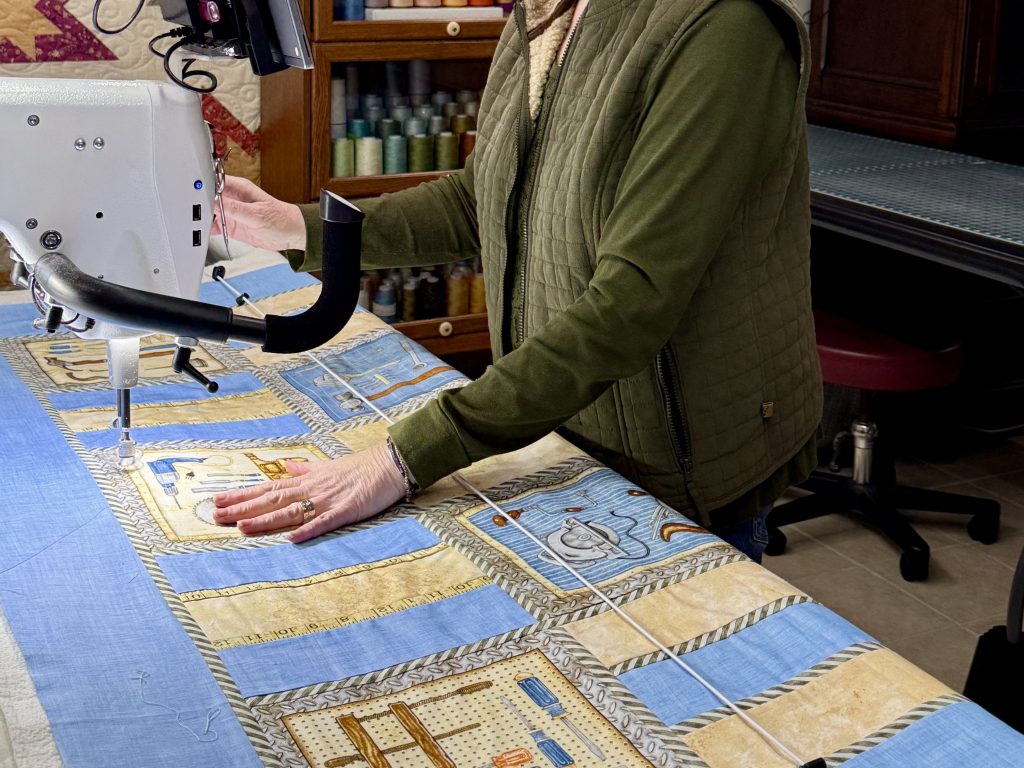
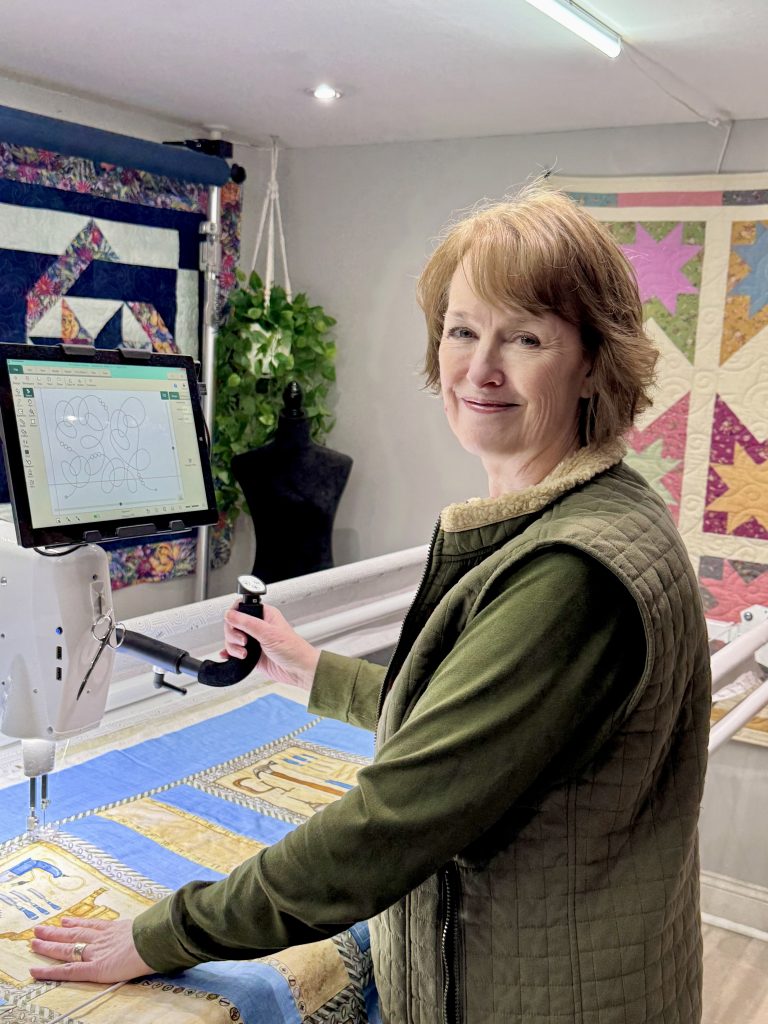
In a quiet studio, a longarm quilting machine hums as Carol Sexton guides layers of fabric beneath the needle. Thread moves across the surface in looping lines and delicate curves, stitching together what began as separate pieces of cloth and is slowly becoming a finished beautiful quilt.
For Sexton, quilting is more than a hobby. It’s an art form, a business, and a way of connecting with people.
Over the past several years, Sexton has become a familiar name in Columbia’s quilting community through her business, Carol Sexton Designs – Longarm Quilting Services, and through the workshops she teaches across the Midwest. Over the years, her classes, especially her portrait and collage quilt workshops, have drawn hundreds of students who want to explore fabric as a creative medium.
But ask Sexton about quilting in Columbia, and she’s quick to shift the focus away from herself.
“There’s a really active community here,” she says. “Between the [Booneslick Trail Quilters’] Guild, quilt shops, and classes, there are so many ways people can get involved.”
A Creative Path Through Textile Art
Sexton’s path into quilting didn’t start with fabric.
For 35 years, she worked as a photographer, developing a strong eye for composition, texture, and storytelling through images. At the same time, she always felt drawn to art in many forms.
“I’ve always absolutely loved art,” she says. “But over time, I became more interested in textile art.”
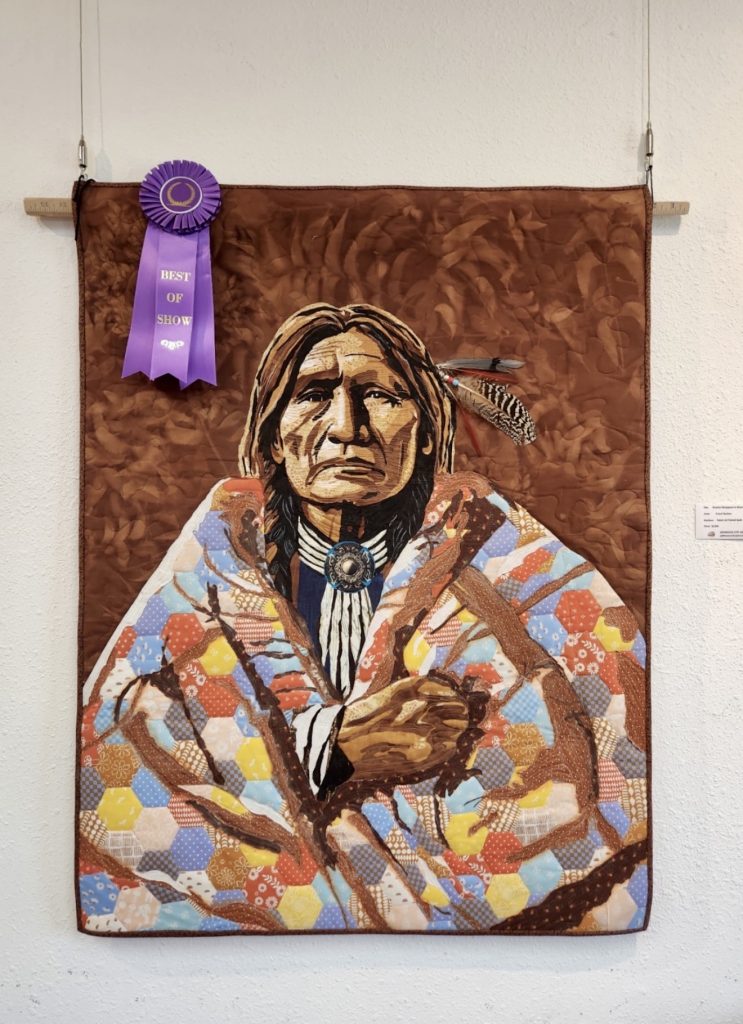
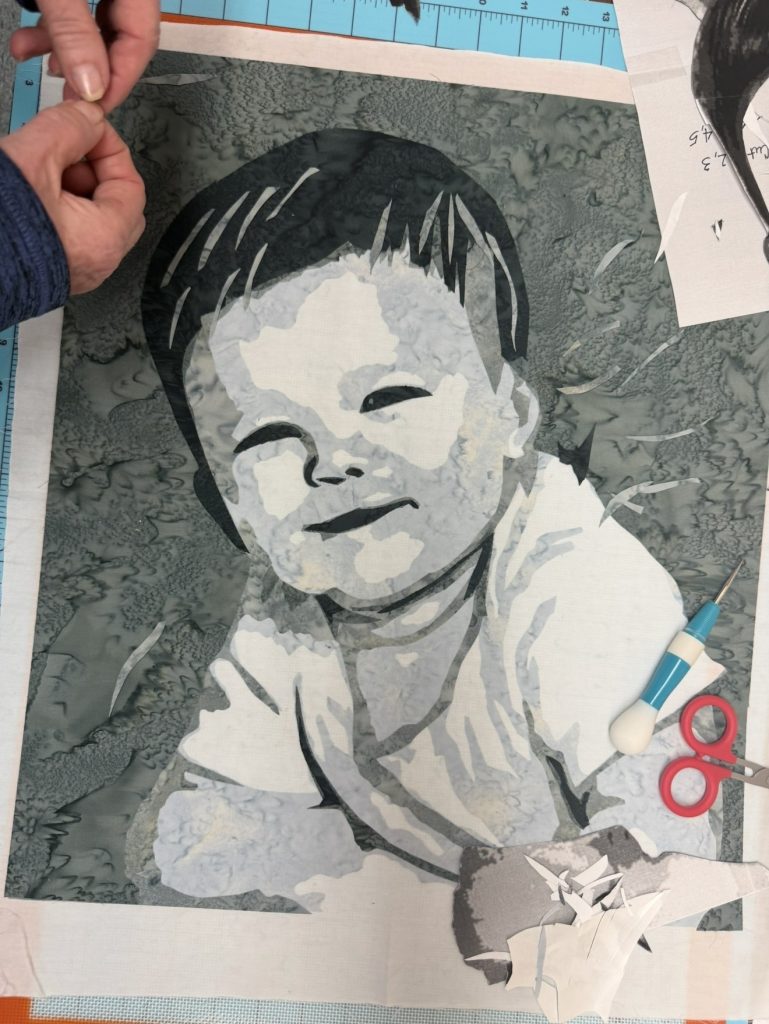
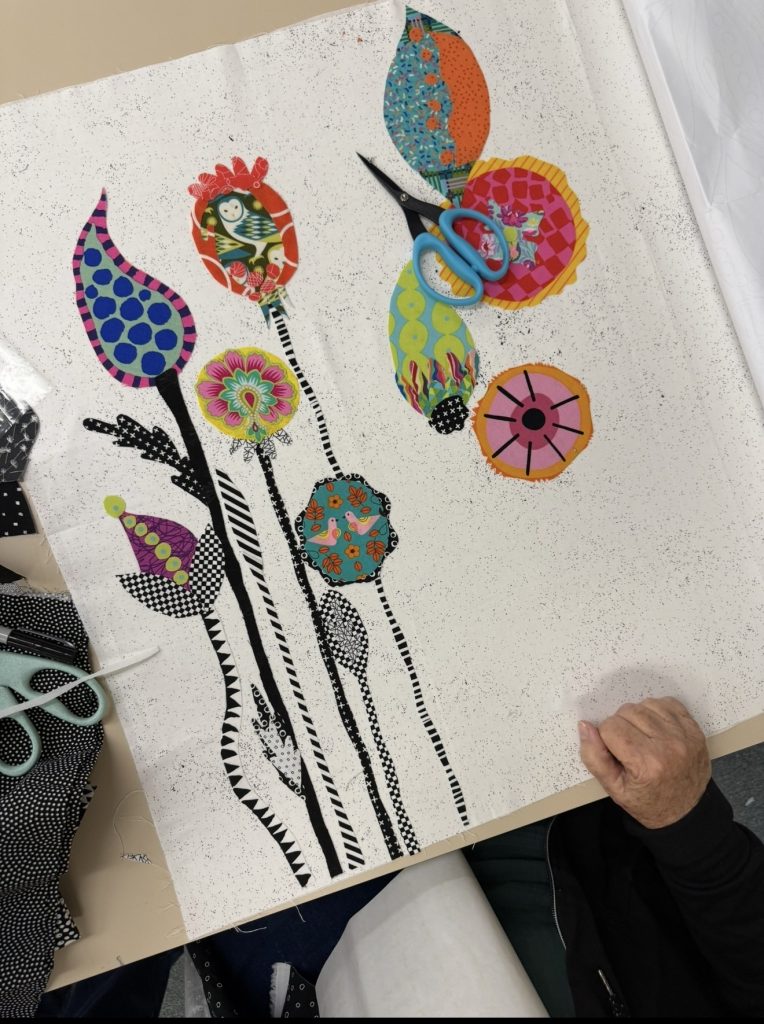
That curiosity eventually led her to quilting, particularly art quilts and mixed-media pieces that push beyond traditional patchwork patterns. Before long, she was teaching workshops that introduced people to collage-style quilting and fabric portraits. In these classes, students transform photographs into quilted images using layered pieces of fabric.
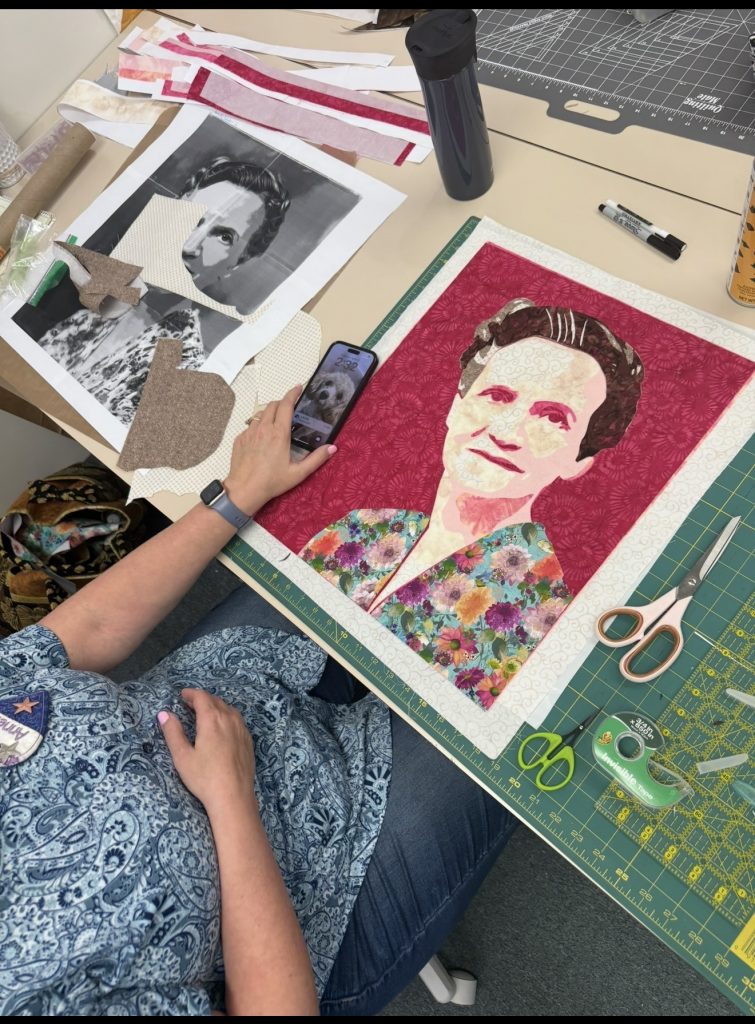
Participants send their photos to Sexton ahead of the workshop, sometimes pictures of grandparents, spouses, grandchildren, pets, or even favorite musicians or movie stars. Sexton converts the images into patterns so students can begin assembling their portraits once class begins. The finished pieces are typically about 18 by 22 inches.
What surprises many people is that the entire portrait can come together in just two days.
“It’s pretty amazing to watch,” Sexton says. “By the end of the workshop, students walk away with a completed quilt portrait.”
Her workshops attract a wide range of participants. Some are experienced quilters, but many have never sewn before. “You really don’t need sewing experience,” she says. “Anyone can do it.” Students range in age from children as young as seven to adults in their eighties. Sexton remembers one woman well into her eighties who drove to Iowa to attend a workshop well into her late eighties.
Her classes often fill quickly. In Columbia, workshops typically accommodate about 20 students. In Kansas City, it’s about 15. Smaller quilt shops sometimes host groups of a dozen. And while quilting has historically been seen as a women’s craft, Sexton says the audience is slowly diversifying.
“We actually see a fair number of men coming into quilting now,” she says. To date, more than 400 students have taken her portrait quilt workshops.
The Joy of Finishing
Along with teaching, Sexton also operates a longarm quilting service, helping other quilters finish their projects.
A longarm machine, which can stretch more than 10 feet long, allows the quilter to stitch designs across the entire quilt surface, securing the quilt top, batting, and backing together. Sexton purchased her machine about two and a half years ago, not long after retiring from her career as a pain management nurse.
For her, the work is both technical and deeply satisfying. “I really enjoy finishing quilts for people,” she says. “Often someone has spent months working on a quilt top, and they’re excited to see it finally completed.” The process of making a quilt can vary dramatically. Some simpler designs may come together relatively quickly, while more complex patterns can take six months to a year to finish.
And quilting is not necessarily an inexpensive hobby. Between high-quality fabric, thread, batting, and backing, a quilt can run anywhere from $300 to $500 for the materials alone, without even counting the hours of labor. Still, Sexton believes the time and cost are part of what makes quilts precious.
Many of the projects she finishes are practical quilts intended to be used every day, such as baby quilts, children’s quilts, or t-shirt quilts made from meaningful clothing. “I don’t usually make custom quilts myself,” she explains. “Custom quilting means designing different stitching for every section of the quilt. I mostly help people finish the quilts they’ve already made.”
But even the most practical quilts often carry deep personal significance. “A lot of them are gifts,” she says. “That’s what makes it special.”
A Strong Local Quilting Community
While many quilters work independently at home, Columbia also has a thriving network that brings people together.
At the center of that network is the Booneslick Trail Quilters’ Guild, which has about 140 members and meets once a month. The guild organizes workshops, hosts guest speakers, and provides opportunities for quilters to share their work and learn from each other. Members also participate in service projects such as Quilts of Valor, an organization that provides handmade quilts to military veterans.
For Columbia quilter and instructor Aisha Kareem, the quilting community has been an important source of both inspiration and connection. “I’ve been sewing since my teenage years,” Kareem says. “Mostly garments and crafts. But I started quilting about eight years ago after buying a quilter’s edition Bernina sewing machine.” Since then, quilting has become what she describes as a “joyous obsession.”
Kareem has taken several classes with Sexton, including the portrait and collage workshops, which helped her explore new creative directions. “Carol has been instrumental in helping me develop my creative skills and new methods of fabric art expression,” Kareem says.
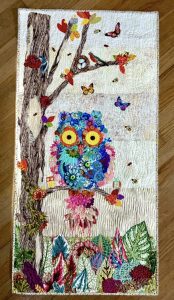 After retiring last year, Kareem began teaching quilting classes herself, something she says Sexton encouraged her to pursue. “She’s really been a mentor to me,” adds Kareem .
The Booneslick Trail Quilters’ Guild hosts several events that celebrate the artistry of local quilters. One of the biggest is the guild’s biennial quilt show, scheduled this year for October 23 and 24. The guild also organizes retreats where members spend a weekend sewing together. Earlier this year, quilters gathered at the Lodge of the Four Seasons at Lake of the Ozarks for one of those retreats. And last fall, the guild had the opportunity to display members’ quilts at the Missouri Quilt Museum.
“There’s a really supportive group of people here,” Kareem says. “For anyone interested in starting quilting, there are lots of ways to learn.” In addition to guild events, many classes are offered locally at places like Appletree Quilting Center in Columbia, where both Sexton and Kareem teach.
Friendship, Fabric, and Tradition
For longtime quilters, the sense of community is often just as important as the craft itself. Barb Nixon, another fellow quilter, traces her sewing roots back to lessons from her grandmothers. “I started sewing in high school around 1968 and made my own clothing for years,” Nixon says. “Both of my grandmothers were excellent seamstresses.”
Over time, Nixon expanded into sewing home décor items and crafts, including curtains, pillows, and purses. Around 2001, she began learning more about quilt-making. That’s when she and several coworkers joined the Booneslick Trail Quilters’ Guild. Since then, quilting has become both a creative outlet and a source of lasting friendships.
“I’ve learned so much about quilts and quilt-making,” Nixon says. “But I’ve also really enjoyed the friendships and camaraderie that quilting brings.” While books and online tutorials can teach technique, Nixon believes something special happens when people gather to sew together. “A person can learn to make quilts from books or the internet,” she says, “but nothing compares to sewing with friends and learning from others.”
Stitching the Future
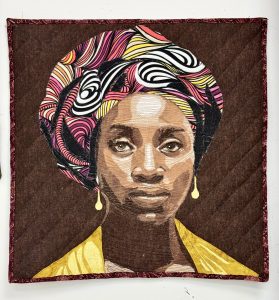 Quilting has deep roots in American history, once serving as a practical way for families to reuse fabric and create warm blankets that could last generations.
Today, the craft continues to evolve. Modern quilters experiment with bold patterns, graphic designs, and art quilts that resemble paintings more than traditional patchwork. Technology has also expanded the possibilities, from computerized sewing machines to longarm quilting systems that allow intricate designs to be stitched across entire quilts. But even with all the innovation, Sexton believes the essence of quilting hasn’t really changed.
“At the end of the day, it’s about making something meaningful,” she says. Something that can be used, shared, or passed down. Something that holds a story.