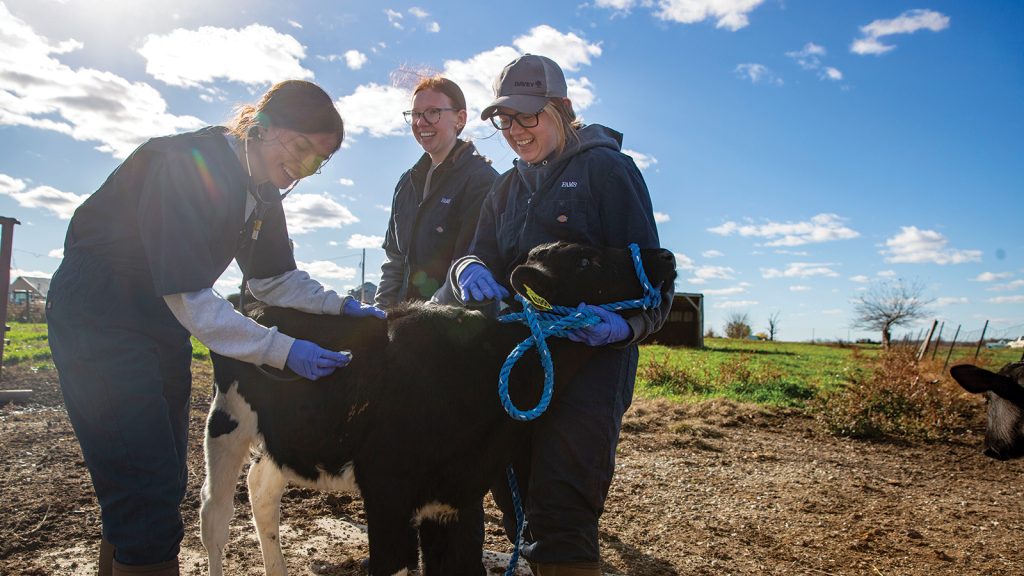
It’s difficult being a large animal veterinarian, and it’s becoming increasingly difficult to find them. Treating large animals is hard, sometimes dangerous work, and what’s more, it’s not as lucrative as caring for small animals in an urban area. Over an entire career, a small animal vet in the Kansas City suburbs is likely to earn much more — and get kicked by cows much less — than a livestock vet in Marshall.
It’s hardly surprising, then, that the U.S. supply of large animal and livestock veterinarians has decreased by 90 percent since the end of World War II. This development leaves some regions of the country without access to qualified vets, according to a report from the National Conference of State Legislatures.
That’s cause for concern in a state as dependent on agriculture as Missouri is. According to a U.S. Department of Agriculture report, “Missouri agriculture is the economic driving force of the state and ranks third nationally in beef cattle production, fifth in goats, fifth in turkeys, seventh in broiler chickens, seventh in hogs and 10th in horses and ponies.” When there aren’t sufficient veterinarians to care for sick and injured food animals, it’s not just the animals that suffer, but the state’s economy as well.
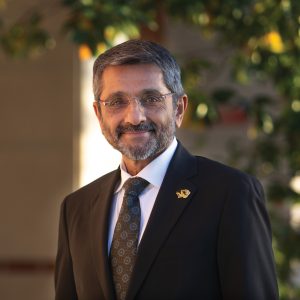
Srinand Sreevatsan, dean of the University of Missouri College of Veterinary Medicine, acknowledges the potential harm to Missouri’s agriculture economy when there are not enough large animal practices in rural areas. It’s just one aspect farmers have to consider when seeking to keep their operations afloat.
“We always worry about how the shortages could impact the economy. … Farmers would require not just veterinary care, but also multiple other aspects that need to be fulfilled for them … to be profitable,” Sreevatsan commented. “So veterinary care is just one of the many parameters that need to be met if we want to maintain that economic benefit to the farming communities of rural America.”
Fortunately for Boone County, the local situation isn’t too dire. In 2025, the USDA designated six areas in Missouri as having a shortage of rural-area, food-animal veterinarians. Central Missouri isn’t included in any of them.
The large animal vet picture is more nuanced, according to Sreevatsan. “There’s a national-level debate that … there is a reduction in the number of rural veterinarians available,” Sreevatsan commented. “USDA identifies the state of Missouri as one of the states that’s at risk because of very low numbers of rural practicing veterinarians. The same projection has been made by Johns Hopkins.”
But there’s more to the situation, Sreevatsan said. “Talking to our own local Missouri Veterinary Medical Association [officials] and the members of the Missouri Veterinary Medical Association, I have come to realize that while it may look like areas are … not served, actually a veterinarian in one particular county could be serving five surrounding counties that don’t have a veterinarian” of their own.
To put it another way, there are fewer veterinarians, but they’re busier. “In reality, it is not a service desert,” Sreevatsan added.
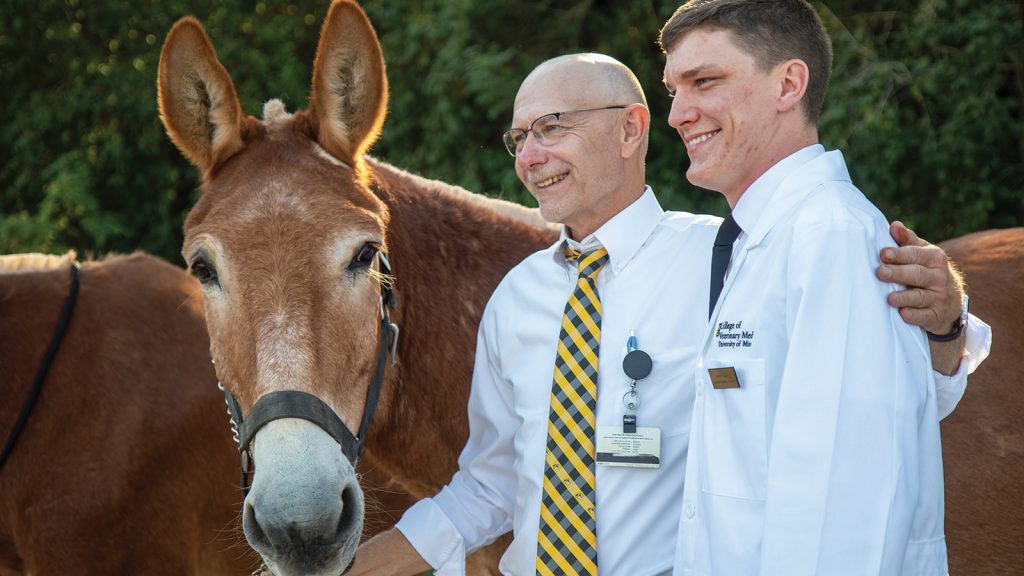
Dr. Cliff Miller cares for both large and small animals at Green Hills Veterinary Clinic in Moberly. Miller, who was named CVM’s 2025 Alumnus of the Year, graduated in 2000 and said he has seen many changes since that time. The idea that there’s a shortage of large animal veterinarians in Missouri is a complex one, and in his view, there’s no easy answer.
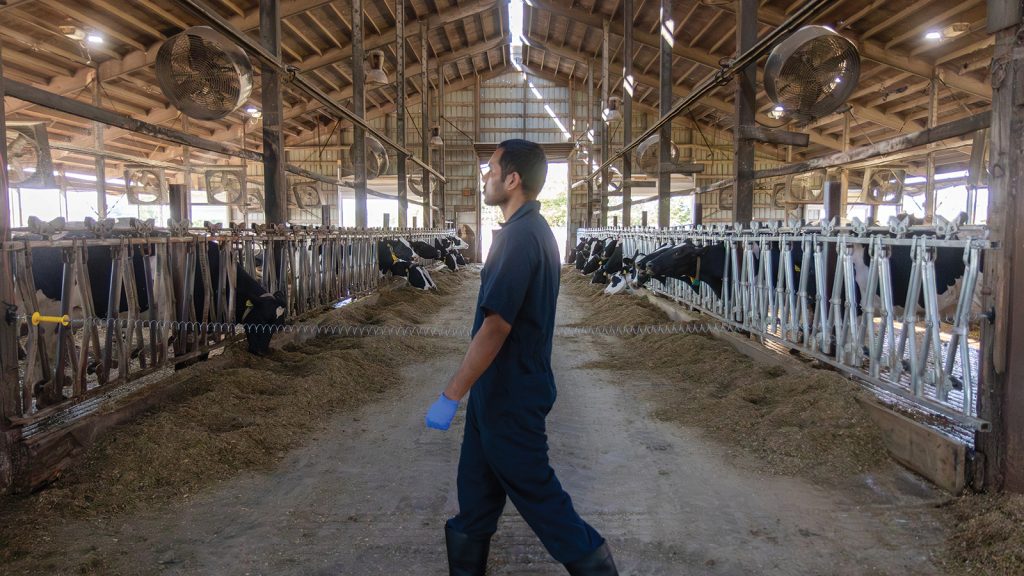
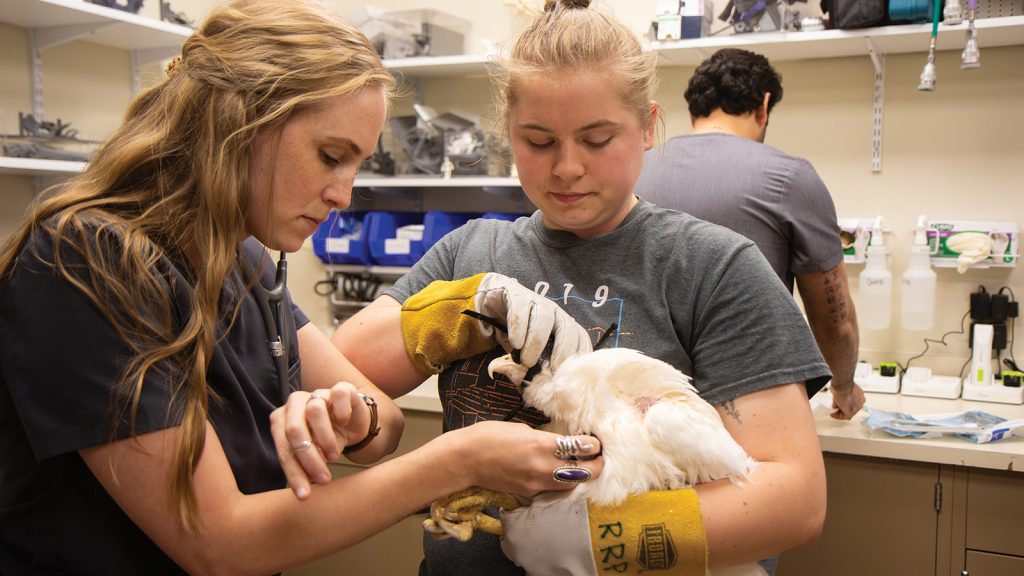
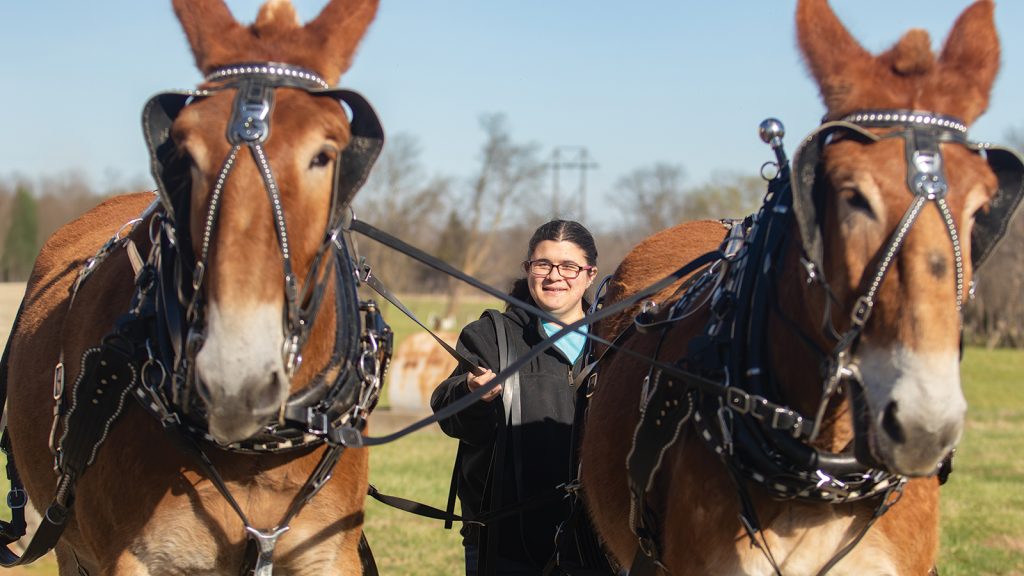
“There does not appear to be a true shortage of large animal veterinarians in Missouri in general; however, there are certain pockets of need,” Miller said via email. “Those areas of need mirror many other professions and the challenge more rural areas … have in attracting young people to the area unless they already have a connection (hometown, spouse/family, etc.). I think the veterinary profession is actually doing better than some on attracting people to rural areas, as there still remains a good percentage of young vets that aspire to the lifestyle.”
Another tool for encouraging vet students to go into large animal practice is the USDA’s Veterinary Medicine Loan Repayment Program. If a new veterinarian agrees to serve for at least three years in a high-priority veterinary shortage region, the VMLP program will reimburse as much as $40,000 of the vet’s student loan debt per year.
Alleviating that burden eliminates one substantial barrier to increasing the number of large animal practitioners — and the approach seems to be working. There are always more applications than awards, which is another sign that rural veterinary practice remains appealing, Miller commented.

CVM’s Response
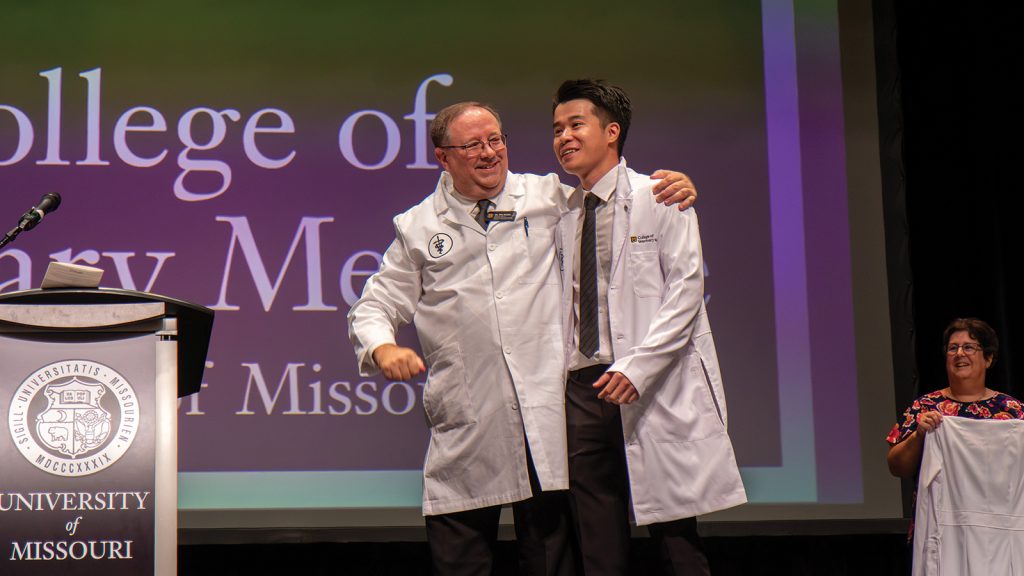
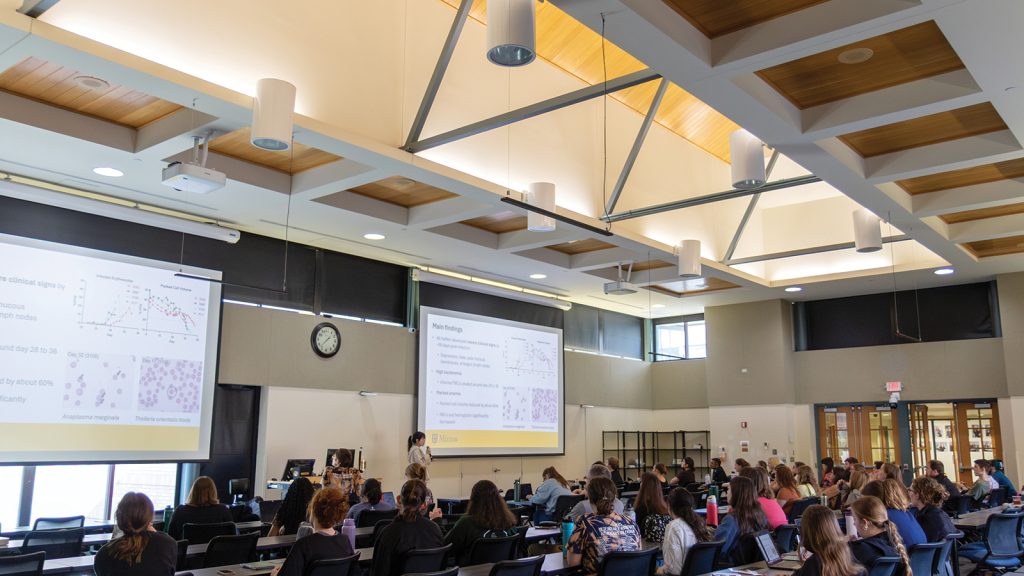
Sreevatsan noted that CVM is doing its part to keep Missouri supplied with veterinarians. “We are very focused on basically making sure that we have robust training of our veterinary students,” Sreevatsan commented. “So they enter the practices ready on day one they graduate.”
The veterinary college has 130 slots for students in each year’s class. This year there were about 2,200 applications. Of those, around 500 were Missouri students. About 70 percent of the students admitted were Missouri residents, Sreevatsan said.
Since the early 2000s, CVM’s enrollment trend began tipping toward female applicants. Now 85 percent of students in each class are female. While some observers attribute the dearth of large animal vets to this gender imbalance, that’s a mistaken stereotype about female veterinarians, according to the dean.
Jen Pederson, a fourth-year CVM student from San Antonio, Texas, offers compelling support for Sreevatsan’s claim. Pederson, whose goal is to become a wildlife veterinarian, spent the month of October in South Africa, treating antelopes, rhinoceroses, and lions. And at Dickerson Park Zoo in Springfield, she was a member of the team that performed a root canal on a tiger. Little wonder that she has, as she put it, “felt no skepticism” about her ability to care for animals.
Another CVM student, Rolla native Dan Cook, feels a similar pull toward large animals, albeit from another perspective. Cook said his influence in high school was The Jungle, Upton Sinclair’s 1906 muckraking masterpiece about horrible working conditions faced by an immigrant in a meatpacking plant and the disgusting food-processing conditions there. The book led to the Pure Food and Drug Act of 1906.
“I will most likely pursue the Food Safety Inspection service” of the USDA, Cook said. He has a scholarship through USDA now and will transition to a full-time position with the agency after graduation.
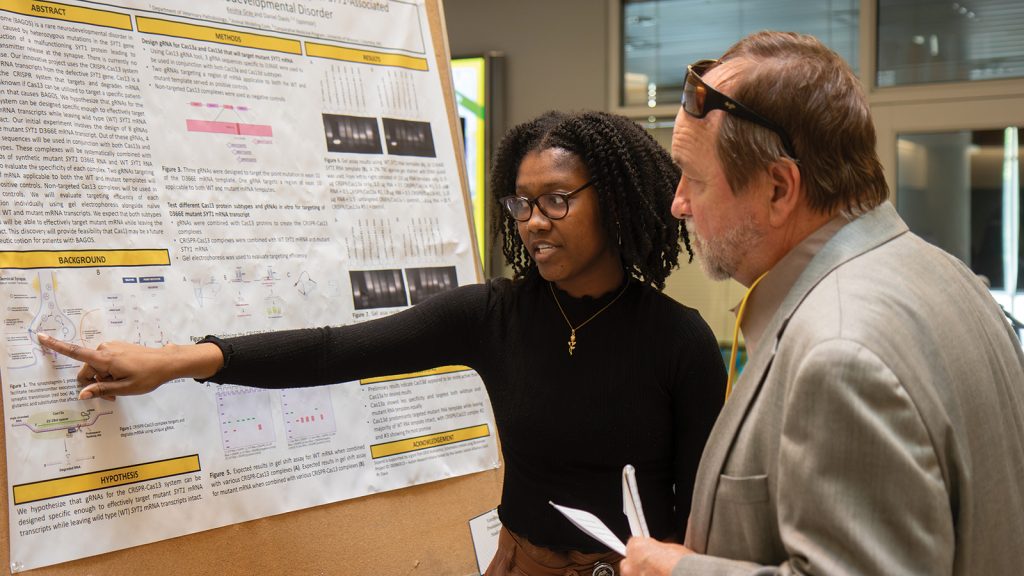
“There’s been great opportunities here at the university to be hands-on and also use critical thinking,” Cook noted.
While the large animal vet shortage is not a problem that can be solved easily, Miller believes his alma mater is making strides in the right direction.
“Due to both some outside pressures and self-recognition, the vet school has really increased the percentage of in-state students (thus more likely to stay closer to home) as well as allowed more emphasis on backgrounds and experience that would lend itself toward going to mixed/large animal practices,” Miller remarked. “The new dean has also recognized the need for production medicine training and is making a very concentrated effort to add to the curriculum to ensure preparing the future generation of veterinarians to be able to meet rural Missouri’s needs, and I applaud that effort.”