

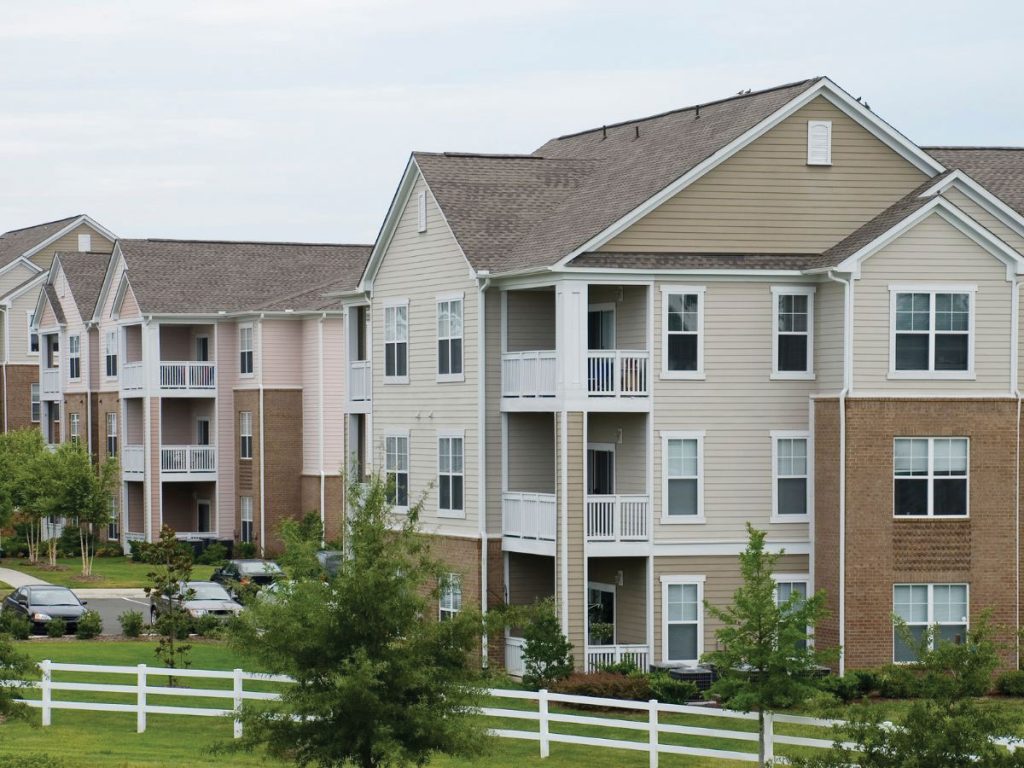
Apartments in downtown areas are very popular. Here in Columbia, many new apartment properties have been built over the last decade. In downtown areas, renters are typically exposed to more risks—especially robbery. Fire danger in any apartment building is very real as well.
Recently in Independence, Missouri, a cooking fire that started in one apartment resulted in the entire building being burned down. What would you do if you lost all your personal belongings in a fire like that? Or if you were robbed? Imagine your couch, TV, gaming system, laptop, clothes…everything gone as result of a fire or burglary. Could you afford to buy it all again brand new?
Many renters believe their landlord’s insurance will cover them in these situations. However, most of the time renters are not covered by the landlord’s insurance policy. In general, it’s the tenant’s responsibility to obtain the correct coverage.
Here’s how you can get started:
Calculate the value of your belongings.
Choosing the appropriate amount of coverage is important. Figure out how much money it would take to replace your personal items before you get a renters’ insurance quote. This information will come in handy if your possessions are damaged in a fire or stolen. One of the best ways to do this is to take inventory of your personal property by making a video recording of the contents in your apartment to help itemize and estimate the total value of your belongings. Keep your receipts as well, and ask about the difference between replacement cost and actual cash value.
Get a renters insurance quote.
Contact an insurance agent to get a quote. If you buy your renters insurance policy from the same company you bought your auto policy through, there’s a good chance you’ll qualify for a discount.
Find a reliable, secure place to save your inventory list/video outside of your home.
Storing your inventory list, video or pictures electronically is a good option if you have a secure location. Consider online storage so you can access them at any time or think about renting a safety deposit box.
Keep your list and coverage amount up-to-date.
As you purchase new things to fill your place, you’ll want to increase your personal property value, so keep track of your purchases and save receipts. If you’ve accumulated more than $5,000 in additional items, consider increasing your insurance coverage. You can do this at any time—you don’t have to wait until it’s time to renew your policy.
Liability
An unexpected benefit of renters insurance is that it may help with liability for certain covered situations. What if a guest is hurt while visiting you? Can you afford the cost of a liability lawsuit? That’s when a renters insurance policy can come in handy. You might be surprised at how affordable it is, too.
Whether you’re renting for the first time, renting because you just moved to a new city and aren’t ready to buy a house, or you’re downsizing—as a renter, you need renters insurance.
Note: All coverage is subject to your policy provisions. Some types of property are not covered at all, and some types of losses are not covered. The policy purchased and the facts of each claim will control coverage. This article may not show all coverages that are available, or it may show discontinued coverages. In the event of a conflict between the policy purchased and this article, the policy’s provisions will prevail.