

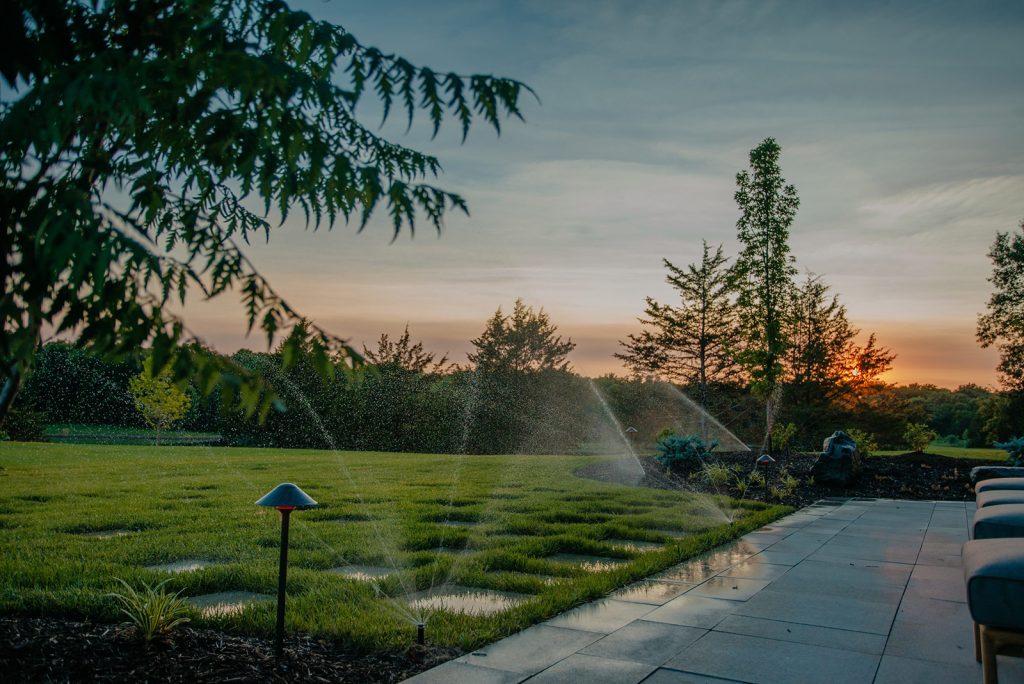
The season for sweaters, football, campfires, and hayrides is right around the corner. With that in mind, it’s essential to start thinking about a few home maintenance items before the cold months are here. Irrigation winterization should be at the top of the list to ensure a faster and less costly spring activation.
The season for sweaters, football, campfires, and hayrides is right around the corner. With that in mind, it’s essential to start thinking about a few home maintenance items before the cold months are here. Irrigation winterization should be at the top of the list to ensure a faster and less costly spring activation.
Early Freezes On The Horizon – Irrigation winterization is dependent on a number of factors and timing is not a hard and fast rule. At Rost, we typically start scheduling winterizations in October. Winterization takes place during the fall season and we recommend being winterized by the end of November. If you have a pump system, we would suggest having the service completed by the first of November as they are more adept to freeze in late fall. Completed inground systems have the benefit of insulation from the topsoil. This will help prevent freezes even if we have a light early frost. Another factor to consider is if you are planning to overseed. If so, you will want to ensure your system is still active to get your new seed watered over a span of 2-3 weeks. With those factors in mind, it is best practice to get on the schedule for winterization sooner rather than later, as prime slots in mid-November fill up quickly.
Winterization Process – Once you have a winterization scheduled, getting an irrigation system ready for winter is fairly straightforward. Our technicians will get the water to the system turned off. This is usually located near your meter at the backflow. Next, we hook a large air compressor to the system and cycle through the zones a number of times. This will purge the system of all water leaving your system’s plumbing dry for the winter. Lastly, we suspend the controller either by using the Hydrawise app or unplugging the controller from the wall. This keeps the system from cycling during the winter months and will help minimize wear on solenoids which allow the valves to open during normal system operation. If your system has a pump, it will need to be drained and the suction line will be removed from the water source.
Looking Forward to Next Year – As technicians cycle through the system, they will take notes of any items that may need to be addressed before or during activation next spring. Basic repairs such as head or nozzle replacements are easily completed during the activation process in the spring. Other items such as mainline breaks and faulty valves may need to be addressed during winterization to ensure a complete winterization. Any major system expansions are best addressed in the spring, as most irrigation companies shift to focus in the fall to the winterization process.
If you have a new or existing irrigation system, be sure to add winterization to your yearly calendar. With the unpredictable nature of Missouri weather, don’t wait to get on the winterization schedule, and add peace of mind to your fall activities!
Call today to schedule your irrigation winterization! https://www.rostlandscaping.com/contact-a-designer/
As cold weather approaches, winterizing your irrigation system should be at the top of your home maintenance list to ensure a faster and less costly spring activation.
https://www.rostlandscaping.com/winterization/
https://www.rostlandscaping.com/spring-irrigation-activation/